


Automatic Meter Reading System(AMR)
Automatic Meter Reading (AMR) systems have revolutionized the utility industry by enabling remote and accurate data collection from water, gas, and electricity meters. The power source for these systems is critical to their reliability, lifespan, and performance.
Overall reasons to use primary battery and HPC battery:
- AMR devices (smart gas, water, electricity meters) are expected to work 10–20 years without replacement.
- AMR devices spend most of their life in sleep/standby mode.
- When AMR devices wake up to transmit data wirelessly (RF, NB-IoT, LoRa, 2G/4G), they require short bursts of high current (pulses).
Among the battery technologies used, primary lithium batteries combined with Hybrid Pulse Capacitor (HPC) batteries stand out as an ideal power solution to meet the challenging demands of AMR systems.
- Primary battery = energy reservoir (long duration, low continuous drain)
- HPC = power booster (short-duration, high-current bursts)
- Working in tandem ensures:
- Long operational life (10–20 years).
- Reliable wireless communication.
- Stable performance across temperature extremes.
- Reduced maintenance costs (critical in large-scale AMR deployments).
What is Automatic Meter Reading System
An Automatic Meter Reading (AMR) system is a technology used by utility providers to automatically collect consumption data and other diagnostic information from water, gas, or electricity meters remotely.
The primary purpose of AMR meter reading is to obviate the need for manual meter reading by allowing data to be gathered without physical visits to the meter locations.
AMR systems promote greater efficiency, accuracy, and cost savings for utility companies while providing consumers with timely access to their consumption information.
Key Features of AMR Systems
- Remote Data Collection: AMR enables the remote meter reading and transmission of meter data through various communication methods such as radio frequency (RF), cellular networks, power line communication, or even landline modems.
- Hardware Components: An AMR system typically includes utility meters equipped with transmitters, repeaters to extend signal coverage, a central gateway for data collection, and billing or management software that processes the data.
- Data Transmission: The meter sends usage data wirelessly to data collection points, which then forward it to a central server for analysis and billing.
- Benefits: AMR increases billing accuracy, reduces labor and operational costs, shortens the time between readings, and enables better consumption monitoring for both utilities and consumers.

Why Primary Lithium Batteries?
Primary lithium batteries, especially lithium-thionyl chloride (Li-SOCl2) and lithium-manganese dioxide (Li-MnO2) chemistries, are favored in AMR meters due to their high energy density, long shelf life (>10 years), and wide operating temperature range (-40°C to +85°C).
These batteries provide steady, low-drain power essential for continuous operation of smart meters, which often require years of maintenance-free functionality in remote locations.
Role of HPC Batteries in AMR
While primary lithium batteries offer stable power over long periods, many AMR devices demand short bursts of high current for wireless data transmission during automated meter reading communication.
This is where Hybrid Pulse Capacitors (HPC) excel, delivering high pulse currents (up to 5A or more) with rapid charge and discharge cycles without degradation.
A common setup for electric AMR meter reading devices is 1 to 3 primary lithium cells in series combined in parallel with HPC modules, delivering steady power and rapid pulse currents optimized for low-energy wireless communication protocols like RF or LoRaWAN.
Main Products Using These Batteries in AMR
Primary lithium and HPC battery combinations are widely employed in AMR systems across several industries and product types:
Water Meter Reading
- Utilities replacing manual water meter reading devices with automated systems rely on primary lithium and HPC batteries to power smart water meters.
- These meters monitor real-time water consumption, detect leaks, and transmit data wirelessly.
Gas Meter Reading
- Gas utilities use battery-powered AMR devices for remote gas usage monitoring.
- The battery combination ensures uninterrupted meter operation even in harsh environments, including underground or outside installations.
Electricity Meter Reading
- Electric utilities benefit from smart meters powered by these batteries, enabling real-time energy usage data collection and grid management.
- HPC batteries support high burst currents for communication during meter reading intervals.
Other Industries
- Industrial facilities and commercial complexes employ AMRs meter reading systems to monitor utilities, optimize consumption, and manage costs.
- The combination battery solution suits remote or difficult-to-access locations, reducing maintenance frequency and cost.
Applications of Batteries in AMR Systems
Wireless Communication Power Supply
AMR systems require batteries that can supply both continuous low power and intermittent high pulses to support wireless communication modules.
The primary lithium battery provides the continuous baseline power while the HPC delivers the instantaneous current spikes during data transmission.
Long-Term Data Logging
Primary lithium batteries enable long-term deployment of AMR water meter devices for up to 10 years or more without battery replacement. This is crucial for utilities aiming to reduce operational disruption and maintenance costs.
Harsh Environment Operation
Many remote electric meter reading system are installed in outdoor or industrial environments with extreme temperatures and humidity.
Primary lithium and HPC batteries’ wide temperature tolerance and robust chemistry ensures operation under conditions ranging from freezing winters to hot summers.
Backup and Redundancy Power
In systems requiring maximum reliability, HPC batteries provide redundancy, allowing the AMR device to transmit data reliably even if the primary lithium battery voltage temporarily drops or under heavy pulse load.
Key industries benefiting from this technology include:
- Water management utilities
- Gas utilities
- Electric power utilities
- Industrial and commercial sectors with resource monitoring needs
This innovative battery combination is a critical enabler for smart city infrastructure, efficient resource use, and advancing next-generation utility metering technology.
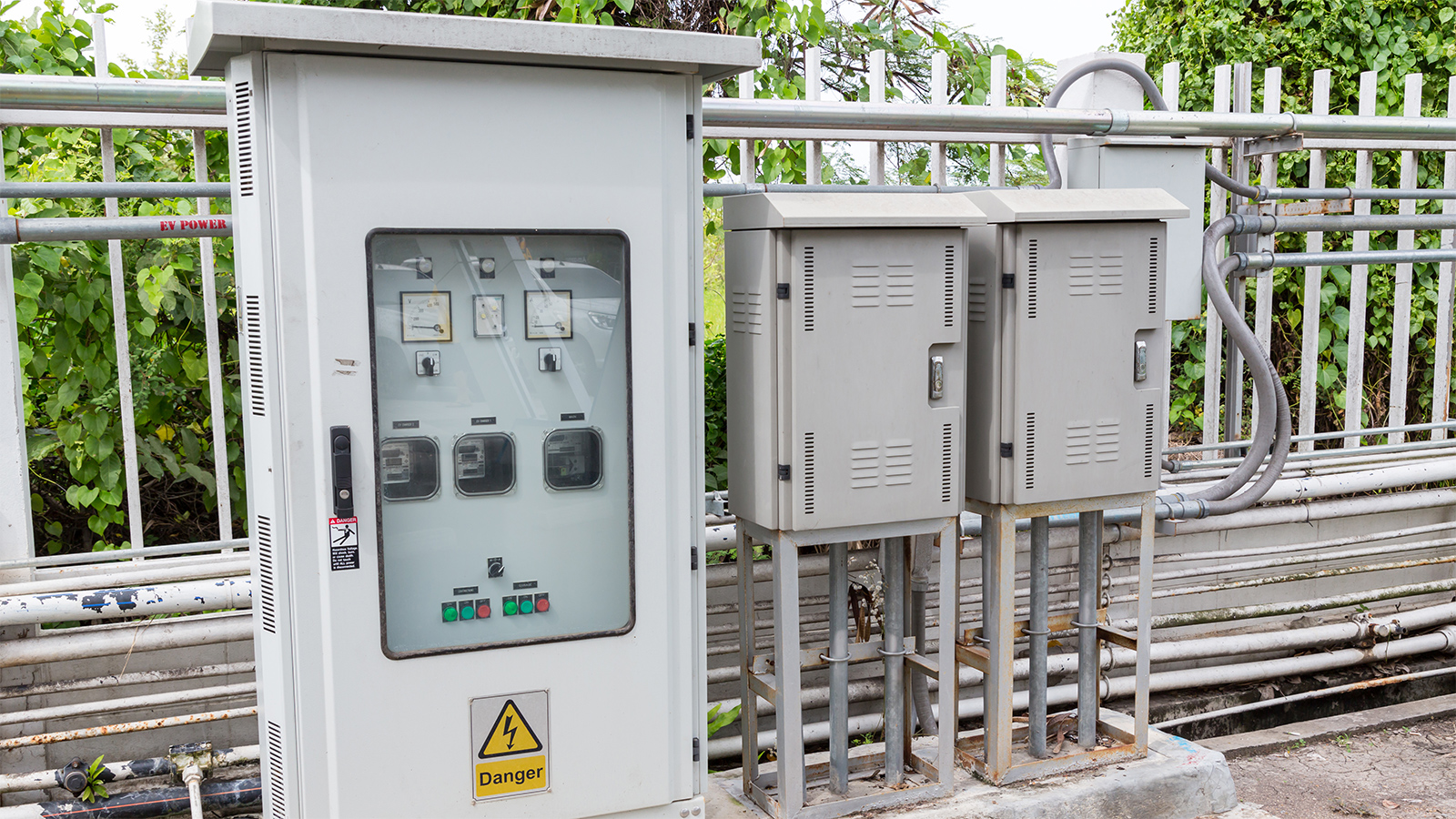
Smart Lock of Cabinet Management
• In order to facilitate the management of outdoor base stations and cabinets that need maintainin

Photovoltaic
Solar panel charge and discharge battery • Superior to existing solar storage batteries • Cycl
Automotive Electronic Power Supply System
The voltage and current fluctuation of automotive electronic equipment due to the change of load wou