

Automotive Electronic Power Supply System
The automotive electronics landscape has undergone substantial innovation in recent years, driven by the demand for higher efficiency, reliability, and smarter functionalities.
Among the critical components enabling this progress are primary lithium batteries and Hybrid Pulse Capacitor (HPC) batteries.
Overall reasons to choose primary lithium and HPC battery on automotive electronic power supply system:
- Expands the reliability of connected automotive devices in global markets.
- Supports miniaturization of automotive IoT components.
- Higher safety compliance and consumer trust in basic automotive electronics.
- Predictive maintenance provides sustainability under digital battery management on automotive IoT.
These energy storage solutions play vital roles in powering various electronic automotive systems, supporting the expanding capabilities of modern vehicles.
What is an automotive electronics and electrical system
An automotive electronics and electrical (E/E) system is a comprehensive, interconnected network of components that powers and controls the various functions of a modern vehicle.
The electrical system(the power) is the vehicle’s fundamental power supply network.
Its primary job is to generate, store, and distribute the electrical energy needed to operate all of the auto electronic components.
It’s the “nervous system” that carries the power.
The electronic system(the brain) refers to the sophisticated control and processing units.
It uses the electrical power to manage and optimize vehicle performance, safety, and comfort.
This is where the intelligence and decision-making happen.
Primary Lithium Batteries in Automotive Electronics
Primary lithium batteries serve as a reliable power source in numerous automotive electronics applications.
This is due to their high energy density, long shelf life, and excellent performance under varied environmental conditions.
Unlike rechargeable batteries, primary lithium cells are non-rechargeable and provide consistent power over extended periods, making them ideal for backup power and low-drain devices.
These batteries are widely used in automotive electronic power supply systems to ensure uninterrupted operation of critical components.
Such as tire pressure monitoring systems (TPMS), keyless entry systems, remote controls, and crash sensors.
Their compact size and stable voltage output help optimize the design and efficiency of these embedded electronics in car.
The primary lithium batteries used in automotive electronics feed into several products and industries including:
- Electronic control units (ECUs) managing engine and transmission functions.
- Wireless sensor networks such as TPMS for real-time tire monitoring.
- Safety systems including airbags and crash detection sensors.
- Smart key fobs and immobilizers enhancing vehicle security.
- Connected vehicle modules supporting electronic automotive IoT capabilities.
- Vehicle telematics systems transmitting data for fleet and usage monitoring.
Auto and electronics industries rely heavily on the reliability and longevity of primary lithium batteries to maintain vehicle safety and operational integrity.
HPC Batteries Enhancing Power Supply Stability
Hybrid Pulse Capacitor (HPC) batteries are emerging as critical components in automotive electronic power supply systems.
That is due to their unique ability to handle high pulse currents and operate efficiently in harsh environments.
HPC batteries combine lithium battery chemistry with capacitor technology, enabling fast charge and discharge cycles, high pulse power output, and stable voltage supply even under fluctuating load conditions typical in vehicles.
HPC batteries effectively address voltage and current fluctuations in automotive electronics, preventing damage and malfunctioning.
Their robust performance across extreme temperature ranges from -40°C to +85°C makes them indispensable for automotive environments requiring durability and long service life, often exceeding five years.
Typical applications include:
- Telematics boxes that require stable and reliable power for constant data transmission.
- Advanced driver-assistance systems (ADAS) that demand rapid energy delivery.
- Automotive ETC (Electronic Toll Collection) systems operating in variable climates.
- IoT devices within vehicles that provide connectivity and real-time diagnostics.
Applications of Batteries in Automotive Electronic Power Supply Systems
Batteries in automotive systems are foundational to enabling a wide array of applications that extend beyond just starting the engine.
The transition to electric vehicles (EVs) and integration of intelligent systems has broadened the scope and complexity of battery applications.
Core Applications
- Powering Vehicle Electronics: Both primary lithium and HPC batteries supply energy to ECUs, infotainment systems, lighting, and sensor networks.
- Supporting Safety and Security Features: Batteries ensure reliable operation of safety devices such as airbags, anti-lock braking systems (ABS), and emergency communication systems.
- Enabling Connectivity and IoT: In the realm of automotive IoT, these batteries power modules that monitor vehicle health, location, and usage patterns, allowing predictive maintenance and fleet management.
- Hybrid and Electric Vehicle Subsystems: Beyond propulsion batteries, smaller primary lithium and HPC batteries support the auxiliary electronics needed for hybrid and EV operation, including battery management systems (BMS), charging circuits, and thermal management.
Industry Trends and Future Outlook
The automotive industry is increasingly adopting battery technologies that offer enhanced energy density, durability, and environmental resilience.
Governments and automakers are investing heavily in battery innovation to meet electrification goals and improve automotive systems efficiency.
The rise of automotive IoT further drives demand for smart batteries with integrated sensing and communication capabilities.
These developments help vehicles become more interconnected, intelligent, and responsive to user needs and environmental conditions.
Examples of Battery Usage in Automotive Electronics Solutions
1. Electronic Toll Collection(ETC)
In ETC transponders and onboard units(OBU), these primary lithium batteries and HPC batteries supply stable energy for data transmission, vehicle identification, and secure communication with toll gates.
These batteries ensure that ETC devices remain operational, accurate, and maintenance-free, which is critical for large-scale tolling and smart transportation systems.
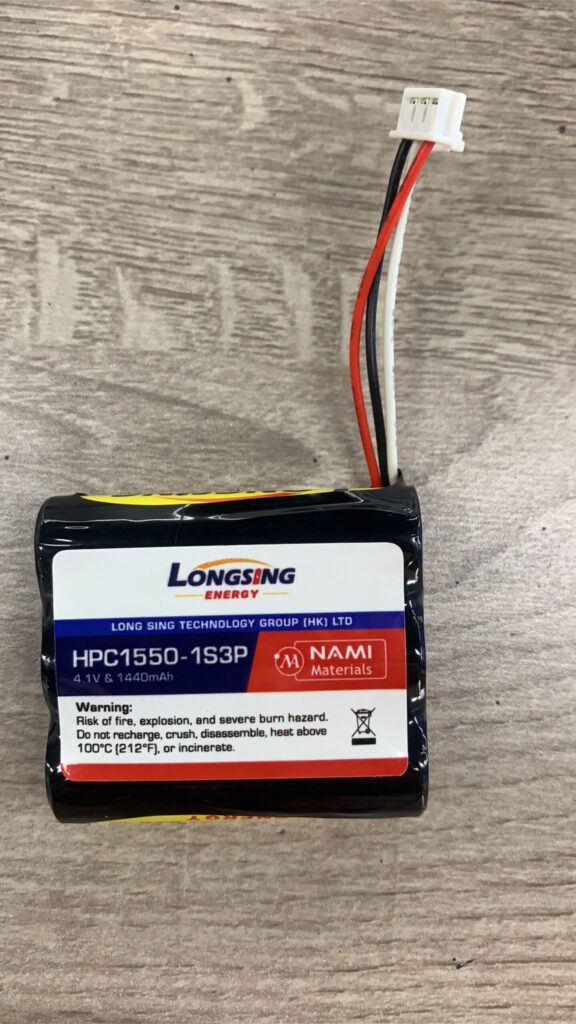
In such a case, HPC can offer the stable power of 3.6V or 7.2V to automotive electronic products for work. Common HPC for automotive electronic products is one 1520 or one 1550.
2. Telematic box/eCall
Telematics control unit (TCU), eCall module, vehicle tracking devices(GPS/GNSS), remote keyless entry & immobilizers, ADAS safety modules…
From these automotive applications in Telematic box and eCall systems, primary lithium batteries(ultra-long backup life) and HPC battery packs(high pulse current for instant) are used as backup power sources together.

How Do Lithium Batteries Manufacturers Support IoT in Water Metering?
Lithium battery manufacturers play a vital role in powering IoT-based smart water metering systems b

Transport and Monitoring in Logistics System
With the development of logistics transportation industry, new requirements for technology are const

Photovoltaic
Solar panel charge and discharge battery • Superior to existing solar storage batteries • Cycl