

Smart Lock of Cabinet Management
Smart cabinet locks are transforming how we secure valuables in homes, offices, logistics, and commercial spaces. At the heart of these smart locks are reliable batteries that ensure smooth operation.
Overall reasons to use primary lithium batteries and HPC batteries on smart cabinet lock systems:
- Strict security protocols often continuously required for confidential documents, IT equipment, or sensitive materials.
- Leading to the development of new software platforms for managing large-scale deployments of smart locks under integrated solutions.
- Eliminating the need for physical key management and simplifies compliance with access control policies remotely.
Primary lithium batteries and HPC (Hybrid Pulse Capacitor) batteries are the two main types powering these advanced locking mechanisms.

What is a smart cabinet lock?
A smart cabinet lock is an electronic locking device that controls access to cabinets, drawers, and storage units.
Unlike traditional mechanical locks, it can be controlled and monitored via apps or wireless communication technologies such as Bluetooth.
Smart cabinet locks improve security and convenience. They enable keyless entry, remote monitoring, and activity tracking.
Users can lock or unlock cabinets using smartphones or voice assistants, and receive notifications if tampering attempts occur.
Some popular models use a single 3V primary lithium CR2 battery, offering about one year of battery life under normal usage.
Bluetooth cabinet locks leverage low-energy Bluetooth to communicate securely with connected devices, enabling seamless control and access management.
Primary Lithium Batteries in Smart Cabinet Locks
Primary lithium batteries are widely used in smart cabinet locks primarily due to their stable voltage output, long shelf life, and light weight.
These batteries power the lock’s electronics, Bluetooth module, and motorized locking mechanism with consistent reliability.
The low self-discharge rate of primary lithium batteries means smart cabinet locks can remain operational for extended periods—typically one year or more—without battery replacement.
This is essential for devices installed in hard-to-reach locations or those requiring minimal maintenance.
Smart locks for residential kitchen cabinets, medicine cabinets, and office storage drawers where security and controlled access are paramount.
The primary lithium battery is the backbone for these smart cabinet locks ensuring safe, uninterrupted operation.
HPC Batteries Supporting Smart Cabinet Locks
HPC batteries combine lithium technology with capacitor elements, offering enhanced pulse power capabilities.
This makes them ideal where quick bursts of energy are needed, such as motorized locking and unlocking actions within the smart cabinet lock.
The high pulse current delivery helps ensure rapid and smooth engagement of the lock mechanism.Additionally, HPC batteries are durable over a broad temperature range and have long lifespans, typically lasting several years, which is valuable for industrial or commercial smart lock applications.
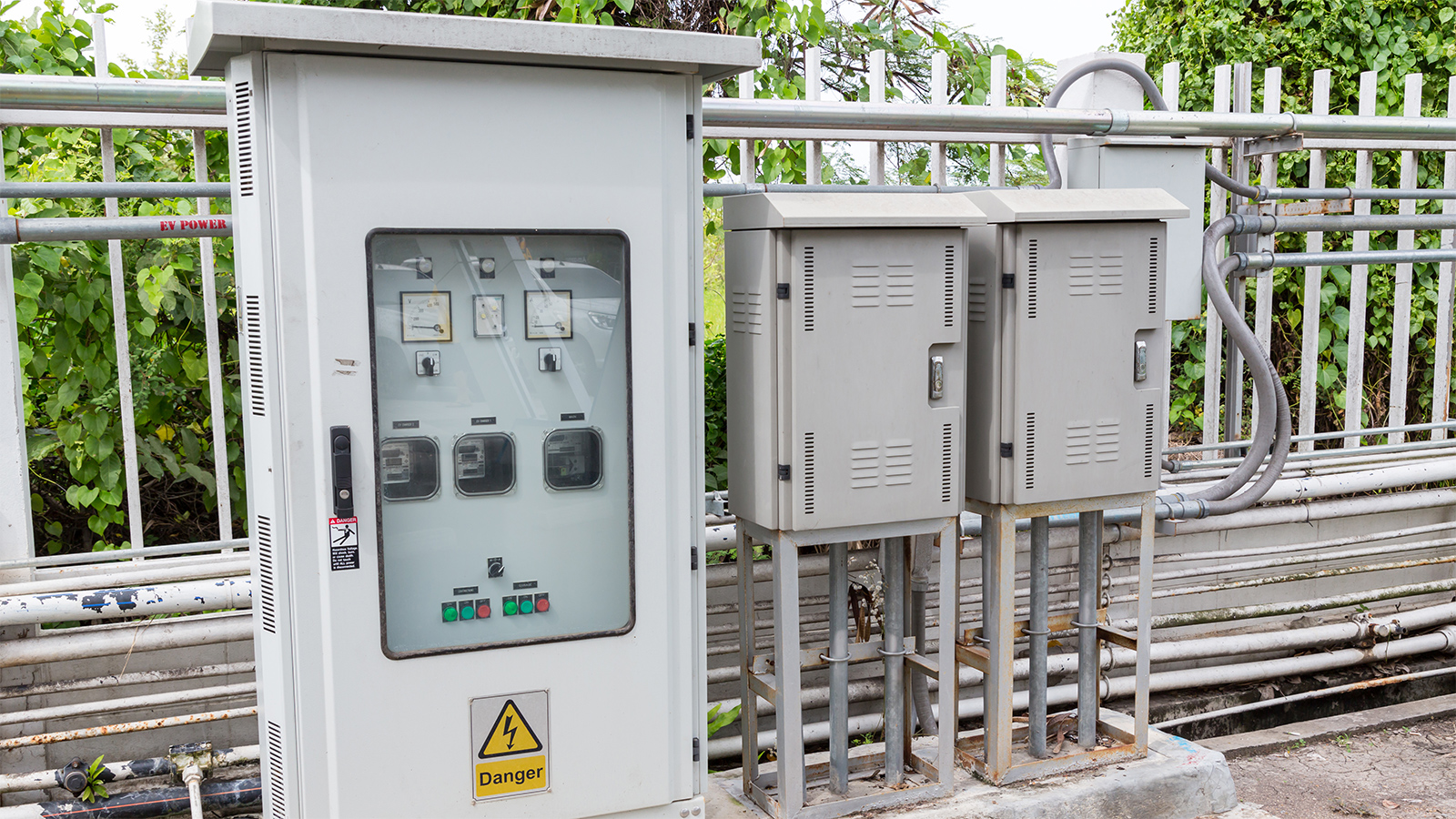
Ruggedized cabinet locks for telecom enclosures, server racks, and outdoor utility cabinets are using HPC batteries, where reliable power under demanding conditions is critical.
Industries Using These Batteries in Smart Cabinet Locks
Smart cabinet locks powered by primary lithium and HPC batteries are deployed in several sectors:
- Residential: Childproofing kitchen and bathroom cabinets, securing liquor or medicine cabinets
- Commercial: Securing office furniture, filing cabinets, and supply closets
- Telecom and Utilities: Locking outdoor base station cabinets, fiber optic boxes, and equipment enclosures
- Healthcare: Controlled access to medicine carts, supply cabinets, and sensitive storage areas
- Retail: Display cases and secure cabinets for valuable merchandise
- Hospitality and Shared Spaces: Managing access to cabinets in hotel rooms or shared living spaces
These industries demand secure, battery-powered smart locking solutions to safeguard belongings while providing convenient, keyless access managed remotely or via Bluetooth connectivity.
Battery Applications in Smart Cabinet Locks
Battery selection for smart cabinet locks depends on usage frequency, environment, and lock features. Some core applications of primary lithium and HPC batteries in this field include:
- Powering Bluetooth modules in bluetooth cabinet locks for wireless communication
- Driving motorized locking/unlocking mechanisms that require short bursts of high power
- Supporting sensors and microcontrollers for tamper detection and access logging
- Enabling low-power modes to extend battery life while maintaining readiness for activation
- Powering additional smart lock features like LED indicators, alarms, and wireless bridges for remote access
The ideal battery offers a balance between long standby time and ability to deliver high pulse currents.
Primary lithium batteries provide excellent standby power, and HPC batteries complement by boosting peak power delivery during lock actuation.
Examples of Battery Usages in Smart Cabinet Lock Solutions
- Wireless Cabinet Locks for Telecom and Utilities: Outdoor cabinets or base stations that need to be monitored and managed remotely.
- Industrial IoT (IIoT) Cabinet Locks: Designed for data centers, factory floors, and other industrial settings. They can be part of a larger monitoring system for remote access and alerts sending.
- Low-power, RFID-based cabinet locks: Require minimal power to be in a constant “listening” mode for an RFID keycard, only small current required.
- Bluetooth-enabled smart locks for lockers and storage units: Pair with a smartphone and unlock on demand. They are typically in a low-power mode and only “wake up” when the app is in range.
- Industrial safety locks: Often have a simple LED indicator and a logging function. They are rarely used but must be ready to work at any time.
Smart City
1 Smart Manhole Cover The manhole covers are visible everywhere in the urban streets. Once the

Automatic Meter Reading System(AMR)
Automatic Meter Reading (AMR) systems have revolutionized the utility industry by enabling re

Automotive Electronic Power Supply System
The voltage and current fluctuation of automotive electronic equipment due to the change of load wou