

Primary Lithium Batteries
Showing 1–8 of 25 resultsSorted by latest
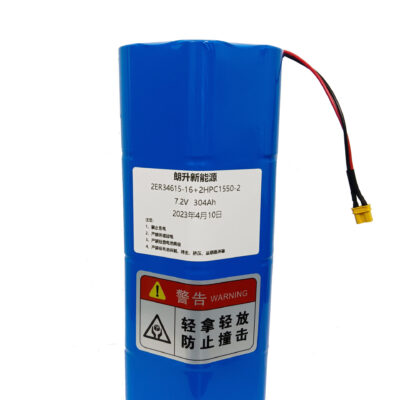
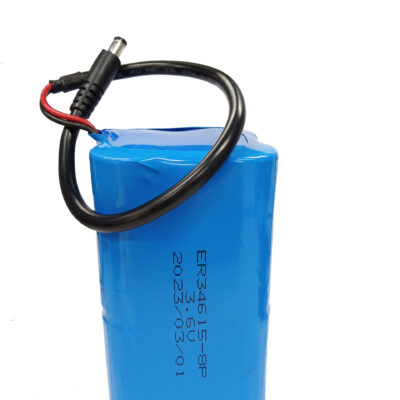

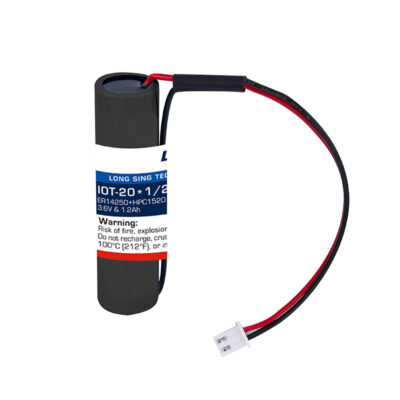
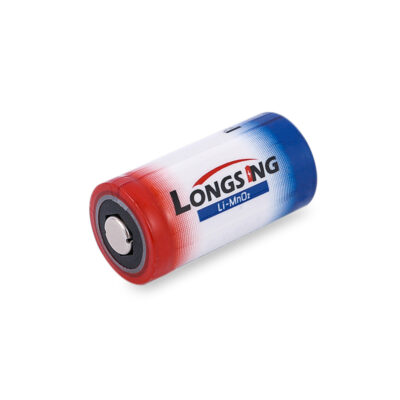
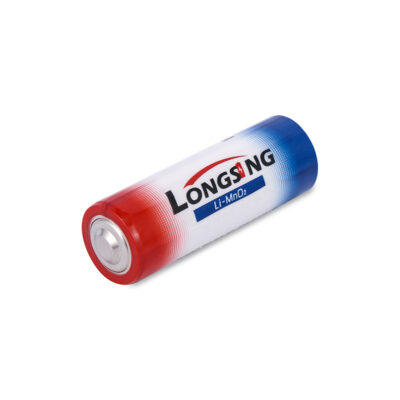
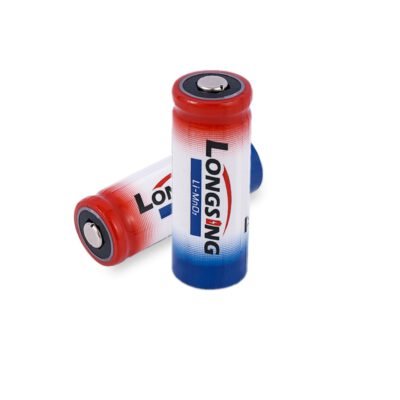
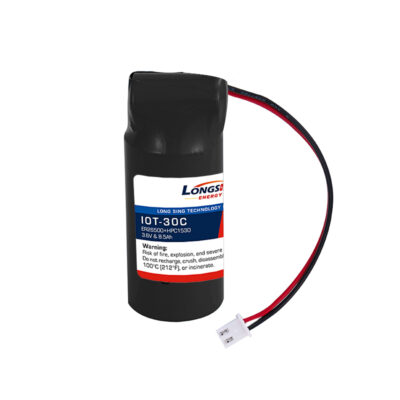
Long Sing is one of few primary lithium battery pack manufacturers that also produces its own proprietary cells. This uniquely positions us to design a battery solution that will exceed your expectations. Our in-house cell production gives us additional insight into how to best design a solution for your critical application, as well as control over the quality and supply of the most vital component of a battery pack.
We create battery packs to fit any form factor, from something as small and simple as a 3 cell shrink wrapped stick pack to something as unique and complicated as a potted modular battery system consisting of 32 primary lithium D cells. We take the time to understand the details of the customer’s need to develop a custom pack that meets or exceeds requirements. Everything we build is tested and certified for UN DOT compliance, allowing for quick, hassle free shipping across the world.
Contact us to download datasheet of primary lithium batteries.Keep Reading further on primary lithium batteries
- Lithium Primary Batteries: Types, Performance, and Selection Guide
- Choosing Li-SoCl₂ High Capacity Battery for IoT, Metering, and Monitoring Systems
- Key Advantages: Design Considerations for Li-SOCl₂ Military Battery
- Bobbin Type vs Spiral Type Battery Long-Life Applications
- 2026 Procurement Outlook: Navigating Lead Times and Raw Material Trends in Lithium Coin Cell Battery
- CR123A, CR17450, and CR14505 The Ultimate CR Li-MnO2 Cylindrical Battery Comparison
- Survival in -40°C: Li-SOCl2 vs. Li-Po battery for Outdoor Monitoring
- Lithium D Batteries for Industrial Applications: Specifications, Lifespan, and OEM Solutions
- Primary Lithium vs. NiMH Batteries Engineering Trade-Offs for Long-Term Power Applications
- Battery Selection Guide: Primary vs Secondary Lithium Batteries for Industrial Projects?
- Solid state batteries vs lithium metal batteries: Which One Elevates Your Product Performance?
- Looking for LS14500 equivalent? Reliable Power Supply on Lithium ER14505 Battery for OEMs
- Top OEM Lithium Primary Battery Manufacturers for Industrial Projects in 2026
Primary Lithium Battery Supplier for Industrial Applications
1. Advantages of Primary Lithium Batteries
In the demanding landscape of industrial IoT and utility metering, the choice of power source is the difference between a 10-year maintenance-free lifecycle and costly field failures.
As a leading primary lithium battery supplier, we provide solutions that offer significantly higher energy density compared to secondary chemistries. A primary lithium battery is engineered for "fit and forget" applications, where replacing power cells is logistically difficult or economically unfeasible.
Our 3.6V Li-SoCl2 battery systems, for instance, are the gold standard for long-term reliability. Unlike consumer-grade cells, these industrial-grade power sources maintain a stable operating voltage throughout 90% of their discharge cycle. This stability is critical for electronic components that require a precise voltage threshold to transmit data over LoRaWAN or NB-IoT networks.
By partnering with an experienced primary lithium battery supplier, manufacturers ensure their devices withstand the test of time in the most rugged environments of North America and Western Europe.
2. Primary Lithium Battery Types
Selecting the right chemistry is vital for optimizing device performance. Below is a comparison of our flagship cells used in high-demand industrial sectors.
| Product Image | Model | Voltage | Capacity | Application | Customization | How to Customize | Datasheet |
|---|---|---|---|---|---|---|---|
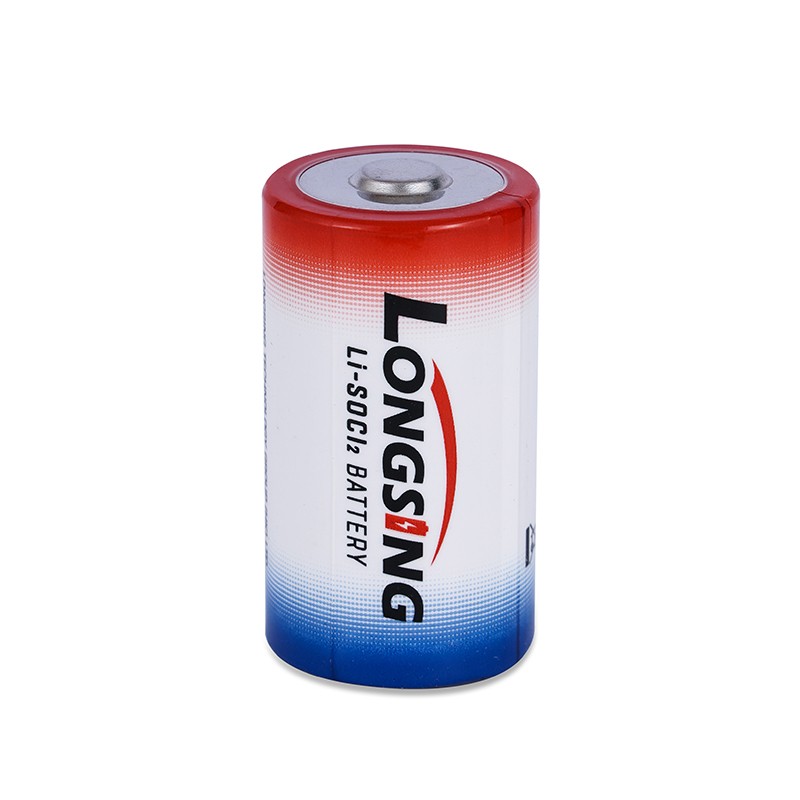 |
ER34615 (D size) | 3.6V | 19,000mAh | Smart Water Meters | YES | Contact Wilson Lu for wire/connector | |
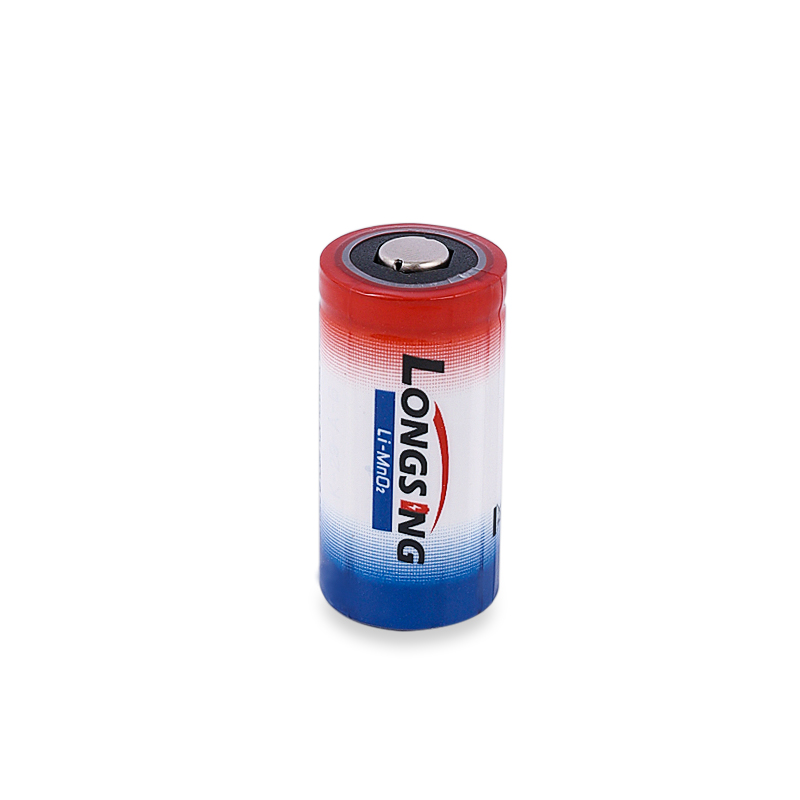 |
CR123A | 3.0V | 1,500mAh | Security Sensors | YES | Series/Parallel Packs | |
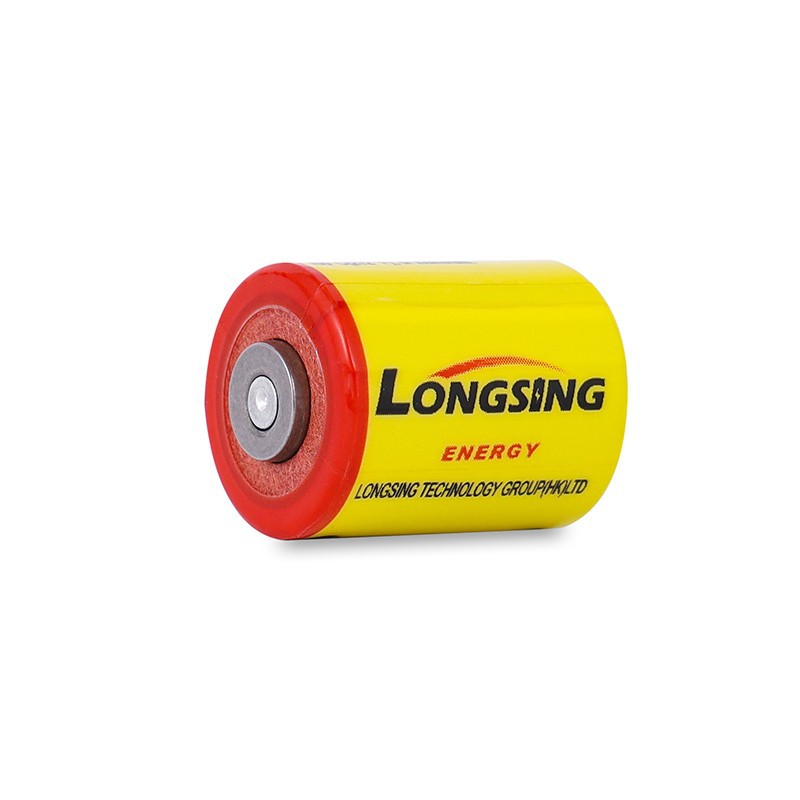 |
HPC1520 (Hybrid) | 3.6V | Pulse-Optimized | Asset Tracking | YES | Capacitor + Li-SoCl2 Combo |
Available Cell Models for Industrial Use:
Li-SoCl₂
Spiral Type
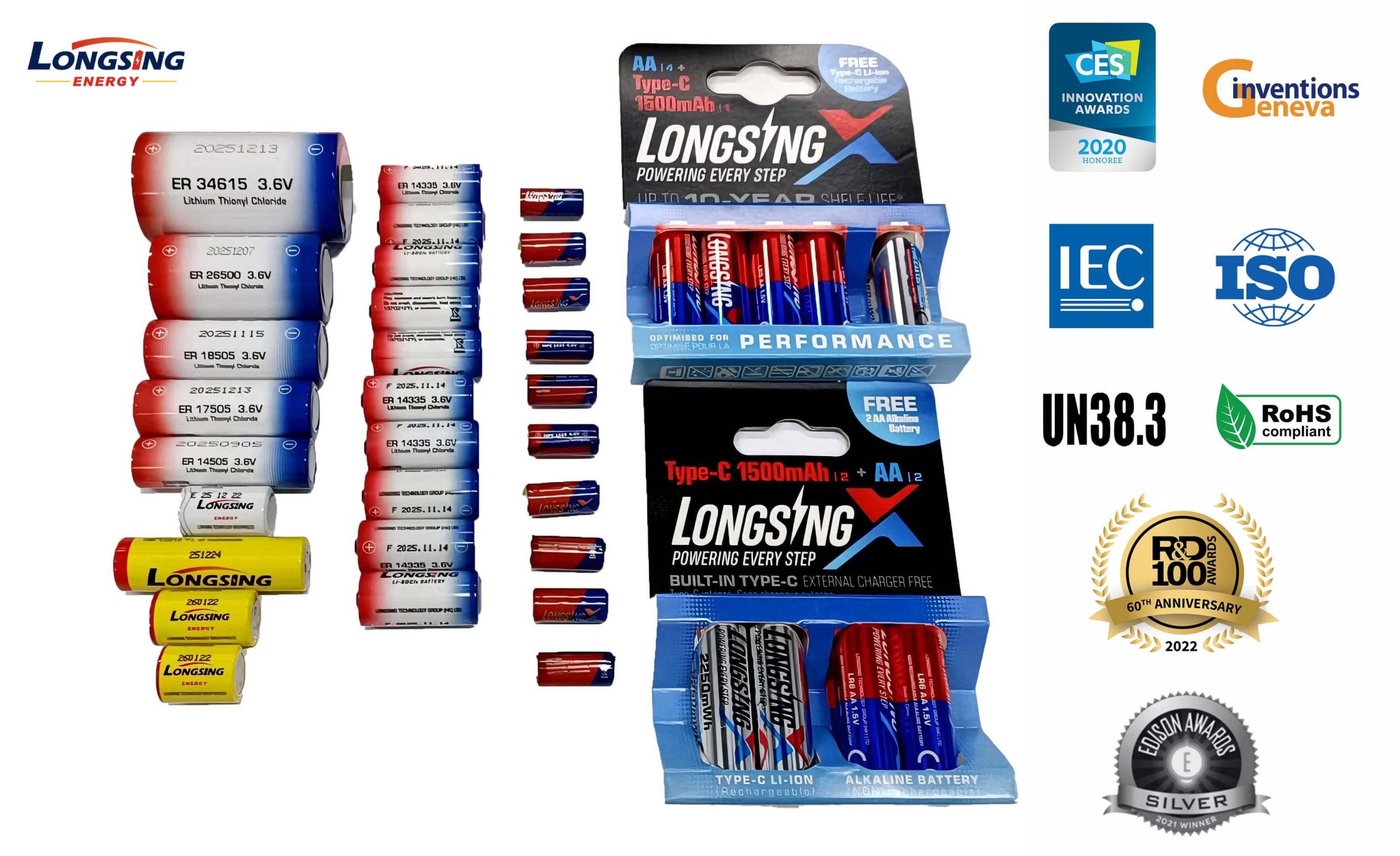
- ER14250M
- ER14335M
- ER14505M
- ER17335M
- ER17505M
- ER18505M
- ER26500M
- ER34615M
As an established primary lithium battery supplier, we provide these cells in various configurations to meet specific voltage and pulse requirements.
3. Applications of Primary Lithium Batteries
The versatility of the primary lithium battery makes it indispensable across multiple high-stakes industries. As a specialized industrial lithium battery manufacturer, we focus on sectors where failure is not an option:
- Smart Gas & Water Meters: These devices require a Li-SoCl2 battery capable of lasting over 15 years. Our batteries provide the steady 3.6V needed for ultrasonic sensing and motorized valve control. → Check AMR Solution
- GPS & Logistics: High-pulse current is necessary for satellite communication. We often recommend a hybrid solution (ER battery + HPC capacitor) to handle peak loads during data transmission. → Check Logistic Solutions
- Security & Healthcare: For smoke detectors and medical monitors, our 3.0V LiMnO2 battery offers a reliable shelf life of 10 years, ensuring safety equipment is ready when triggered. → Check Healthcare Solutions
- Asset Tracking Devices: Our batteries power long-range tracking in logistics hubs across Asia, maintaining performance even during rapid temperature shifts in transit. → Check Asset Tracking
4. Why Choose Long Sing Technology
Founded in 2010 in Shenzhen, China, Long Sing Technology has grown into a globally recognized primary lithium battery supplier. Our operation is led by our Chief Engineer, Wilson Lu, a veteran in custom battery architecture, and our Sales Manager, Luke Liu, who oversees our expansion into North American and European manufacturing centers.
We don't just sell cells; we design the entire OEM Lithium Battery Pack ecosystem. Our facility is ISO 9001 and ISO 14001 certified, ensuring that every batch meets rigorous quality standards.
Here are the key factory advantages of Long Sing Technology, translated and categorized for a professional context:
(1) Advanced Manufacturing & Automation
- Highly Automated Production Lines: The factory utilizes state-of-the-art automated equipment to ensure consistency across large batches, significantly reducing human error.
- Precision Engineering: They specialize in ultra-thin and high-energy-density cells, leveraging sophisticated machinery to maintain tight tolerances.
- Scale of Production: Large-scale manufacturing capabilities allow them to meet high-volume demands while maintaining cost-efficiency through economies of scale.
(2) R&D and Technical Innovation
- Strong In-House R&D: The factory is backed by a dedicated team of engineers focusing on proprietary battery chemistries (such as Li-SOCL2 and Li-MnO2) and structural designs.
- Customization (OEM/ODM): One of their primary strengths is the ability to tailor battery dimensions, capacities, and discharge rates to specific client requirements.
- Cutting-Edge Materials: They integrate advanced materials to improve safety, shelf life (up to 10+ years), and performance in extreme temperatures.
(3) Quality Control & Certifications
- Rigorous Testing Standards: Every battery undergoes a series of tests, including capacity checks, internal resistance measurements, and safety stress tests (short circuit, vibration, and thermal shock).
- International Certifications: Their facilities are compliant with global standards, including:
- ISO 9001 (Quality Management)
- ISO 14001 (Environmental Management)
- UL, CE, UN38.3, and RoHS (Product Safety and Compliance)
- Traceability: A comprehensive tracking system ensures that every batch of raw materials and finished products can be traced back through the production cycle.
(4) Supply Chain & Environmental Responsibility
- Vertical Integration: By managing key parts of the supply chain, they ensure stable material costs and reliable delivery timelines.
- Green Manufacturing: The factory emphasizes sustainable production processes, focusing on waste reduction and energy-efficient manufacturing cycles.
- Strategic Location: Proximity to major shipping hubs allows for streamlined logistics and faster international lead times.
5. Our Technical Advantages
At Long Sing, we differentiate ourselves through engineering precision. As a premier primary lithium battery supplier, we leverage specific chemical advantages to solve power bottlenecks:
- Low Self-Discharge: Our cells exhibit a self-discharge rate of less than 1% per year at room temperature, thanks to the high-quality passivation layer in our Li-SoCl2 battery range.
- Wide Operating Temperature: Devices must work in Alaskan winters and Middle Eastern summers. Our cells operate reliably from -55°C to +85°C.
- High Energy Density: Our LiMnO2 battery and Li-SoCl2 variants offer the highest energy-to-weight ratio available, which is vital for compact medical and wearable safety devices.
- Stable Voltage Output: We maintain a flat discharge curve. Case studies of our ER34615 installations in European water meters show less than a 0.1V drop over five years of active field use.
Through our expertise as a primary lithium battery supplier, we continue to push the boundaries of what a primary lithium battery can achieve in the industrial sector.
Power Your IoT & Industrial Devices with Confidence
Designed for smart metering, tracking, and remote monitoring, our primary lithium batteries deliver high energy density, wide temperature tolerance, and stable pulse performance—ensuring reliable operation in real-world field conditions.
Talk to our engineers about your application
FAQ About Primary Lithium Battery Supplier
What are primary lithium batteries?
Primary lithium batteries are non-rechargeable energy cells designed for high energy density and extreme stability. As a professional primary lithium battery supplier, Long Sing Technology focuses on chemistries like the Li-SOCl2 battery to power demanding industrial IoT and utility environments.
What should I look for in a primary lithium battery supplier?
You should prioritize technical expertise, manufacturing scale, and rigorous testing. A reliable primary lithium battery supplier like Long Sing offers engineering support from veterans like Wilson Lu and maintains full compliance with global safety standards for every industrial lithium battery produced.
Do you provide OEM or custom battery pack solutions?
Yes, we specialize in OEM services. Our team designs custom long-life battery packs tailored to specific pulse requirements and physical dimensions. For custom configurations, our sales manager Luke Liu can facilitate technical reviews to match your device’s power profile.
What certifications are required for industrial lithium batteries?
High-quality industrial lithium battery products must hold UL, UN38.3, MSDS, and IEC/RoHS certifications. These ensure the batteries are safe for international shipping and reliable for mission-critical applications in healthcare and public utilities.
Can primary lithium batteries be customized for specific applications?
Absolutely. By using our IoT battery guide, we help clients customize voltage, capacity, and connector types. We often combine a Li-SOCl2 battery with hybrid capacitors (HPC) to handle high-peak pulses in smart tracking devices.
What is the typical lead time for bulk orders?
For bulk industrial orders, our typical lead time is 4–6 weeks. As a leading primary lithium battery supplier, we maintain a steady production flow at our Shenzhen and Wuhan facilities to support our North American and European partners.
Do you support long-term supply for industrial projects?
Yes. Industrial projects require a long-life battery with guaranteed availability for 10+ years. Long Sing Technology ensures chemical consistency and supply chain stability for long-term utility and infrastructure contracts.
What does “primary battery” mean?
A "primary battery" refers to a single-use, non-rechargeable power cell. Unlike secondary batteries, a primary lithium battery is engineered for maximum energy density and a shelf life of up to 20 years, making it ideal for remote sensors.
What are the main types of primary lithium batteries?
The most common industrial types are the 3.6V Li-SOCl2 battery (Bobbin and Spiral types) and the 3.0V Li-MnO2 battery. Each serves different discharge needs within our comprehensive IoT battery guide.
What is an example of primary battery?
A classic example is our ER34615 (D-size) cell used in smart water meters, or the CR123A cell used in high-end security sensors. Both are primary cells that offer reliable, standalone power without the need for recharging.
How to identify a fake lithium battery?
Fake batteries often lack consistent weight, professional labeling, or valid certification marks. Purchasing directly from a verified primary lithium battery supplier like Long Sing Technology guarantees genuine cells and provides full batch traceability.
How long do primary lithium batteries last?
A high-quality long-life battery can last between 10 to 20 years in the field. This longevity is driven by a low self-discharge rate—typically less than 1% per year—which is a hallmark of our Li-SOCl2 battery range.
How to choose industrial lithium batteries?
Start by evaluating your device's "sleep" and "active" current. Our IoT battery guide suggests matching your peak pulse needs and temperature environment to the correct industrial lithium battery chemistry to ensure maximum field life.
What is a primary battery also called?
A primary battery is also commonly called a "disposable" or "single-use" battery because its internal chemical reaction cannot be reversed by an external electrical charge.
Are AA lithium batteries really that much better for everyday use?
Yes, especially in professional gear. A primary lithium battery in AA format lasts significantly longer than alkaline, performs better in sub-zero temperatures, and is much lighter, making it a superior long-life battery for outdoor equipment.
Are normal batteries lithium?
No, standard household "normal" batteries are usually alkaline or zinc-carbon. An industrial lithium battery uses lithium metal as the anode, which provides a much higher voltage and energy capacity than household types.
What is the main difference between a lithium battery and a lithium-ion battery?
The main difference is rechargeability. A lithium battery is a primary (non-rechargeable) cell, while a lithium-ion battery is secondary (rechargeable). For utility meters, a Li-SOCl2 battery is often preferred due to its lower self-discharge and higher reliability over many years.