

IoT Battery Pack
Showing 1–8 of 9 resultsSorted by latest
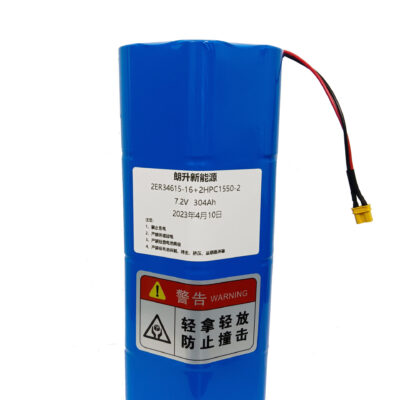
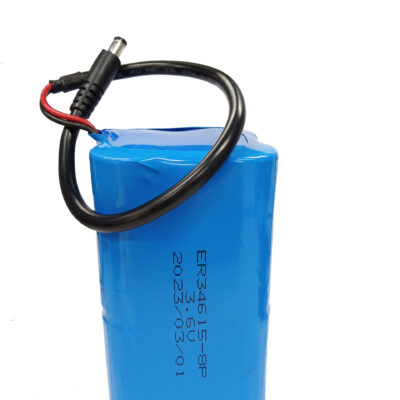

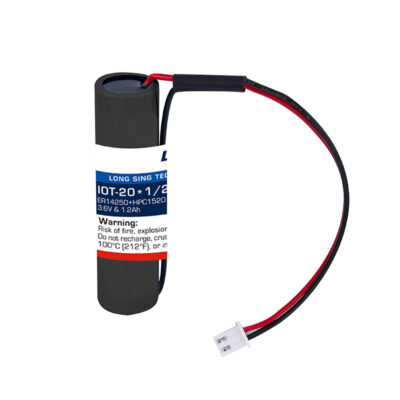
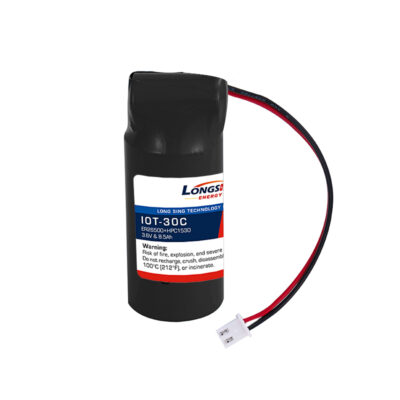
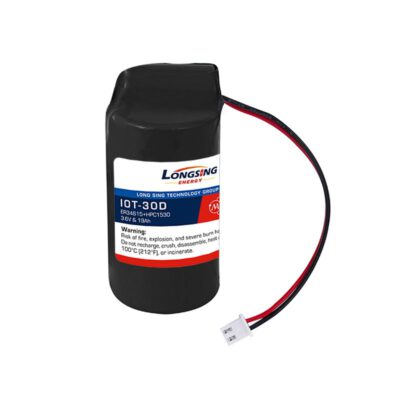

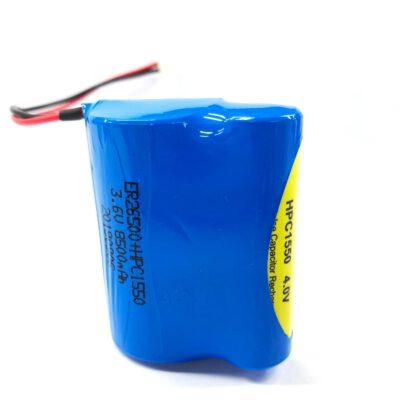
Long Sing’s IoT battery packs offer high-performance and reliable power for various applications. With advanced technology and superior quality, our IoT batteries deliver long-lasting energy, making them ideal for IoT devices like water meter data loggers, asset trackers, and industrial sensors.
Trust Long Sing is your IoT lithium battery company for dependable and efficient power solutions.
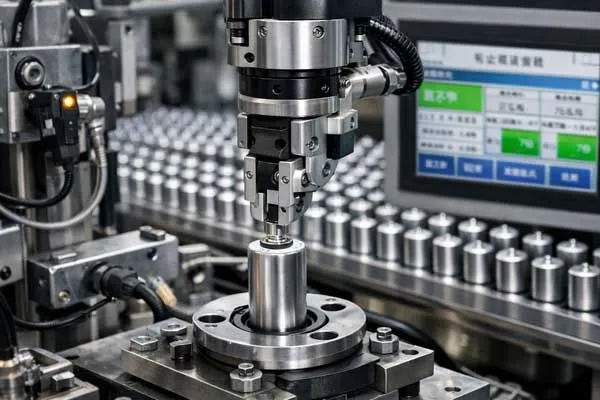
Long-life lithium battery for IoT devices
1. What Is an IoT Battery?
An IoT battery is a specialized power source designed to meet the unique demands of the Internet of Things. Unlike standard consumer electronics, IoT devices often operate in remote or inaccessible locations, requiring energy sources that offer high energy density, extremely low self-discharge rates, and the ability to function across wide temperature ranges.
Essentially, an IoT battery ensures that sensors and transmitters remain operational for years, or even decades, without maintenance.
Key Requirements on Battery for IoT Devices
In the fast-growing world of connected hardware, battery for IoT devices must combine
- High energy density: ≥500 Wh/kg enables compact IoT devices to run 10+ years without battery replacement, reducing maintenance frequency and total lifecycle cost.
- Ultra-low self-discharge: <1% per year ensures standby devices retain power over long storage periods, critical for remote sensors with infrequent activation cycles.
- Extreme wide temperature range: Operates from -40°C to 85°C, maintaining stable output in harsh outdoor or industrial environments, preventing failure in extreme climates.
- Long operational lifetime: 8~20 years lifespan minimizes replacement needs, ensuring reliability for mission-critical IoT deployments and lowering service costs.
Devices operating in industrial, utility, or remote outdoor environments often require over 10–20 years of service without replacement. This demands maintenance-free industrial batteries capable of providing reliable power under extreme conditions.
As a UL certified battery manufacturer, Long Sing Technology designs and produces long-life lithium batteries for IoT devices that deliver these critical capabilities with exceptional consistency.
2. Our IoT Battery Technologies
Long Sing focuses on three flagship chemistries:
(1) Li‑SOCl₂ Batteries
Lithium Thionyl Chloride Battery takes almost 70% market share of industrial IoT:
Typical Applications:
- Smart Meters (Gas / Water / Electricity)
- Remote RTU / SCADA Terminals
- Asset Tracking
- Environmental Monitoring (LoRa / NB-IoT Nodes)
Key Advantages:
- Ultra-low Self-Discharge: ≤1%/year
- Extremely long lifespan: 10–20-year design life
- High energy density: ~500–700 Wh/kg
- Wide temperature range: -55°C to +85°C
The 14250 battery (1/2 AA size) and ER26500 (C size) are commonly used in metering and industrial telemetry, offering lifespans exceeding 15 years.
| Model | Nominal Voltage | Capacity Range | Typical Applications |
|---|---|---|---|
| ER14250 (1/2AA) | 3.6V | ~1200mAh | Sensors, wireless nodes |
| ER14505 (AA) | 3.6V | ~2400mAh | Meters, IoT modules |
| ER17335 (2/3A) | 3.6V | ~1900mAh | NB-IoT devices |
| ER18505 (A) | 3.6V | ~4000mAh | Industrial data acquisition devices |
| ER26500 (C) | 3.6V | ~9000mAh | LoRa gateway nodes |
| ER34615 (D) | 3.6V | ~19000mAh | Smart meters (10+ years) |
However, there are key limitations: It has poor pulse capability, and must be used in conjunction with an HPC (Hybrid Pulse Capacitor)
(2) Li‑MnO₂ Batteries (Lithium Manganese Dioxide)
Typical Applications:
- Smart Security (door locks, smoke detectors)
- Medical Devices (portable)
- Consumer IoT (BLE devices)
Key Advantages:
- High pulse capability (can directly drive wireless modules)
- Standardized models (CR series)
- Lower cost
Also, there are limitations on Li-MnO2 batteries: Low capacity (compared to LiSOCl₂) and its typical lifespan is only 3–7 years.
Small cylindrical cells such as CR123A and CR17450 are often integrated into compact battery IoT and tracking solutions.
| Model | Voltage | Capacity | Applications |
|---|---|---|---|
| CR123A | 3V | ~1500mAh | Security, Cameras |
| CR2032 | 3V | ~220mAh | Low-Power BLE |
| CR2450 / CR2477 | 3V | 600–1000mAh | Smart devices |
| CR2 | 3V | ~850mAh | Industrial sensors |
(3) Hybrid Supercapacitor Solutions (Hybrid Pulse Capacitor)
Typical Applications:
- Smart metering (AMI / Smart gas-water meters)
- Wireless IoT modules (NB-IoT, LoRa, LTE-M)
- Industrial sensors & asset tracking
- Smart locks & security devices
Key Advantages:
- High pulse current capability
- Low internal resistance (ESR)
- Wide temperature performance
- Long cycle life(100,000 charge/discharge cycles)
- Fast charge acceptance
Yet it has limited energy density and higher self-discharge than primary lithium batteries.
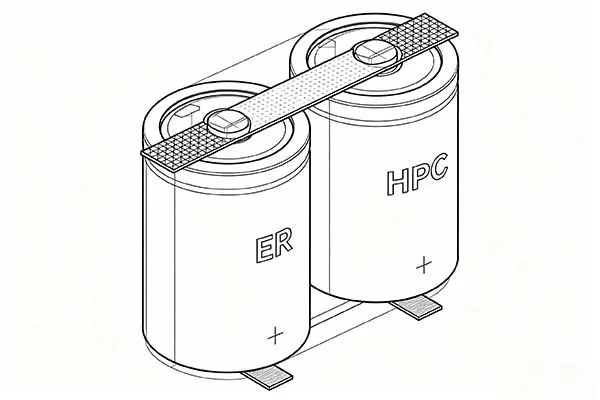
That’s why hybrid supercapacitor is always combined with Li-SoCl₂ battery to ensure much longer lifespan and instant response for data bursts.
For example, we connect ER34615 + HPC1520 in parallel for smart meter, and pack ER26500 + HPC1550 together for wireless sensor.

(4) How the Combination Works (Step-by-Step)
The synergy between these two components follows a specific cycle:
Phase A: Sleep Mode (Charging)
When the IoT device is in deep sleep, the Li-SOCl2 battery slowly charges the HPC.
- The battery operates at a very low micro-ampere level, which is its most efficient state.
- The HPC reaches the battery’s open-circuit voltage (typically 3.6V).
Phase B: Wake-up & Transmission (Discharging)
When the device wakes up to send data, it requires a sudden high current.
- Instead of pulling directly from the battery, the device pulls energy from the HPC.
- Because the HPC has very low internal resistance, it provides the necessary pulse without the “voltage delay” or “voltage dip” typically seen in Li-SOCl2 batteries due to passivation.
Phase C: Recovery
After the transmission is complete, the Li-SOCl2 battery begins to “refill” the HPC at a slow, controlled rate. This process also helps break down the passivation layer on the battery’s lithium anode, keeping the battery “active” and healthy.
These chemistries together support diverse internet of things battery needs, from continuous low-load power to high-pulse wireless transmission.
3. Typical Application Scenarios
Each type of IoT battery pack is tailored for real-world deployments where endurance, safety, and reliability are crucial:
Battery for gas meter – ER14250 models are widely applied due to their 10–15 year lifetime and reliable operation in outdoor environments. The compact size also fits seamlessly into meter housings exposed to moisture or dust.
Battery for asset tracking device – A hybrid solution pairing Li‑MnO₂ with a supercapacitor offers high pulse solutions for IoT devices that transmit via LTE‑M or GPS. Typical models include CR123A + HPC1550 supercapacitor modules used in logistics trackers.
Battery for industrial sensor – For long-term remote sensing, ER26500 or ER34615 cells deliver stable power for up to two decades. They serve as dependable underground sensor power supply options, ensuring sustainable IIoT deployment in harsh sites.
Battery for smart city devices – Streetlight controllers and parking sensors require batteries for extreme cold weather; hybrid Li‑SOCl₂ packs with tailored insulation allow operations from −55 °C to +85 °C and quick response to data bursts.
Battery for GPS tracker device – CR17450 lithium batteries featuring high rate discharge are optimized for compact enclosures with frequent GPS/GSM communication. Long Sing’s enhanced passivation-free battery technology ensures immediate voltage recovery even after prolonged rest.
Battery for smart meter – Li‑SOCl₂ D‑size ER34615 cell is a global standard for smart water, gas, and heat meters. Proven designs meet 20‑year replacement cycles, offering utilities low total cost of ownership and maintenance-free industrial batteries.
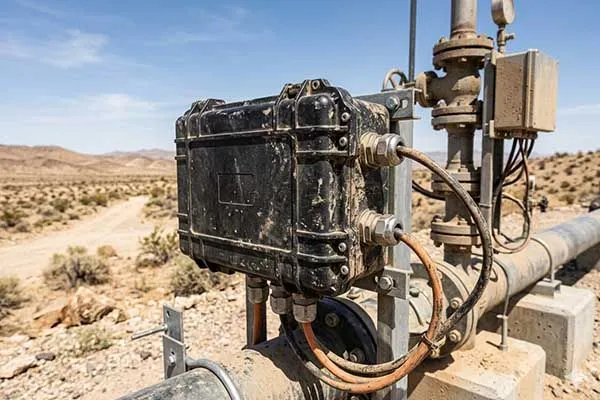
Battery for remote monitoring system – Long-life batteries integrated with our hybrid capacitor provide stable voltage across years, even in remote stations where maintenance is costly.
Battery for LoRa / NB‑IoT device – These LPWAN modules need high pulse outputs up to several amperes. Long Sing specializes in LPWAN device power optimization, combining a Li‑SOCl₂ cell with a high‑rate supercapacitor that minimizes voltage drop, extending coverage and runtime.
Battery for environmental sensor – Compact IoT nodes monitoring temperature, humidity, or PM2.5 use ½ AA or ⅔ AA sizes optimized for minimal standby current and consistent operation under fluctuating outdoor conditions.
How to Choose the Right IoT Battery
Selecting the best batteries for IoT sensors requires evaluating voltage platform, discharge current, temperature range, and expected battery life cycle. Typical IoT devices fall into several power categories:
- Long-term data loggers using Li‑SOCl₂ for steady microamp loads.
- Wireless trackers demanding high pulse solutions for IoT using hybrid systems.
- Sensors with frequent communications using Li‑MnO₂ for stability and high output.
For battery for IoT devices, longevity and safety depend heavily on low-passivation chemistry, hermetic sealing, and internal impedance control. Long Sing optimizes every element of design: electrode purity, precise electrolyte blending, and microcurrent consumption analysis during device pairing. In one utility-metering project, our custom ER26500 solution cut quiescent loss by 25%, while enabling 20‑year IoT battery life at –40 °C to +75 °C.
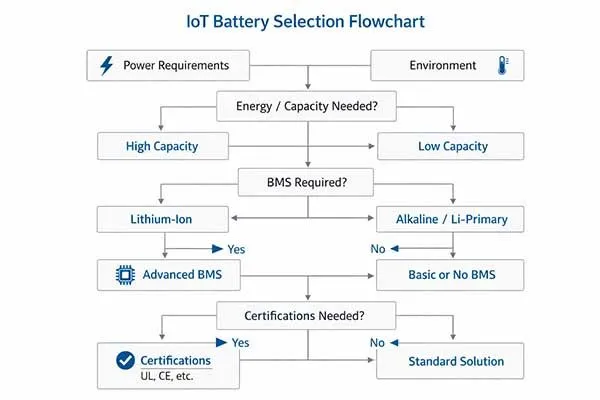
Another success case involved IIoT power management for an oil‑field monitoring unit, where Long Sing integrated a hybrid Li‑SOCl₂ + 10 F supercapacitor stack. This system supported NB‑IoT data bursts of 2 A pulse current with stable 3.6 V output, doubling field cycle compared to a single‑cell alternative.
Beyond selecting superior cells, implementing advanced power management strategies is essential to maximize the operational lifespan of your industrial IoT devices.
Custom IoT Battery Pack Solutions
As a IoT power supply manufacturer established in 2010, Long Sing continues to lead innovation in battery for IoT devices across metering, industrial sensing, and remote control networks. Our customized IoT battery pack design balances energy, safety, and performance through precise modeling, material science, and long-term field testing.

Our production follows ISO 9001 quality management systems, ensuring consistent, high-reliability output for large-scale deployments. All battery packs comply with key safety and transport certifications such as UN38.3, IEC 62133, CE, and RoHS, guaranteeing seamless integration into international markets.
Partner with our R&D team led by Chief Engineer Wilson Lu and Sales Manager Luke Liu to create next-generation, long-life lithium batteries for IoT devices that deliver reliable power—no matter where your sensors operate.
Engineered, certified, and scalable IoT battery packs—built for reliability in every deployment.
Request a Custom IoT Battery Solution Now
Keep reading:
- IoT Battery Guide: Selection, Lifetime Calculation & Industrial Applications
- What Makes the Science Behind Lithium Thionyl Chloride Battery So Unique?
- IoT Power Supply Manufacturer Selection & Design : From Battery to AC/DC Solutions
- IoT Battery Optimization Strategies: Proven Hardware, Firmware & Connectivity Strategies for Industrial Deployments
- Battery Guide: How to Choose a Long Life Smart Meter Battery?
- How to Manage Power in NB-IoT Gas Modules Effectively
- Types of Battery: A Guide to LiSoCl₂ Vs LiMnO₂
- Long Life Batteries: How to Validate Primary Lithium Battery Longevity
- Battery Temperature: How Does Extreme Temperatures Affect Long-Term Reliability
- Lithium Primary vs Lithium ion: What is the difference between lithium ion and lithium primary battery?
- The Silent Shelf-Life Secret: Why Battery Passivation is Actually a Good Thing
- Primary Lithium vs. NiMH Batteries Engineering Trade-Offs for Long-Term Power Applications
- Battery Selection Guide: Primary vs Secondary Lithium Batteries for Industrial Projects?