

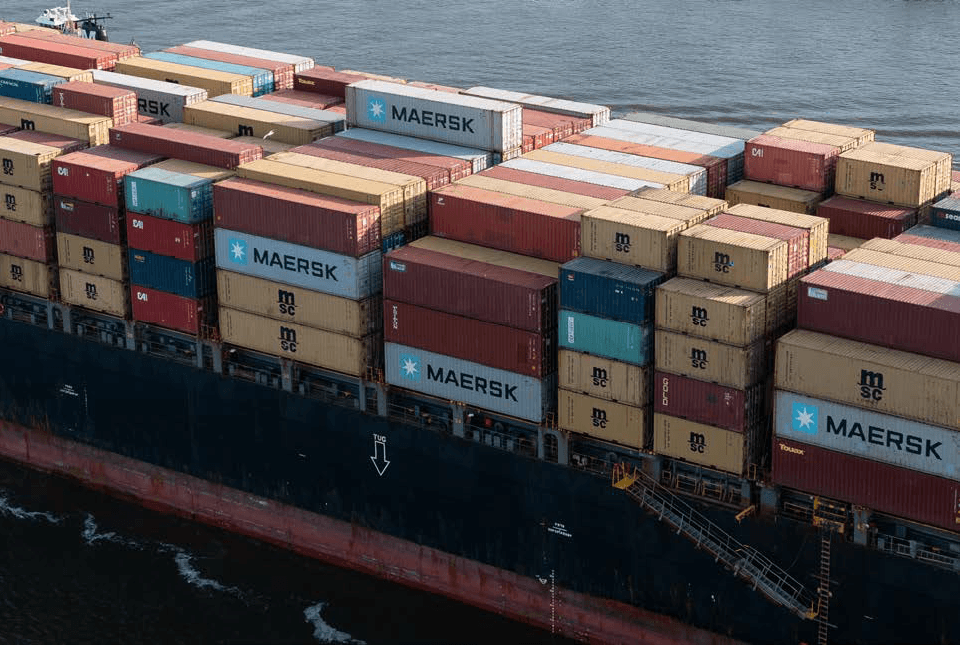
Intelligent Logistics: Safety, Visualization, and Rational Deployment Solution
What Is Intelligent Logistics?
Intelligent logistics refers to the Internet of Things (IoT), artificial intelligence (AI), big data, cloud computing, and automation—to optimize the planning, execution, and management of logistics operations.
Industrial gas transportation is one of the main industry using intelligent logistics solutions.
While tank type equipment is mainly used for industrial gas, the whole industrial gas industry chain is divided into consumption end, transportation end, gas source end and production end.
From the production end to the gas source end, from the gas source end to the transportation end, and from the transportation end to the consumption end, this is a typical industrial gas industry chain.
How We Help With Intelligent Logistics Prjoect?
Problem
The main equipment is storage equipment, including tank and storage tank, as well as transportation equipment, such as tank container and tank car, also including multimodal transport container.
For the industrial gas transportation industry, there are several problems:
- How to control and grasp the market?
- How to configure the gas source?
- How to configure production and sales?
- How to optimize, dispatch and distribute?
These are also the industrial gas shortage in North China.
If daily consumption can be accurately predicted, orderly production and effective logistics intelligence transportation can be achieved.
So the critical challenges that the enterprises are facing are listed as many others in industrial gas industry:
- Efficiency – including both distribution efficiency and management efficiency.
- Management – covering operational management and asset management.
- Safety – ensuring secure operations throughout the entire process.
For example, many companies lack a clear understanding of customers’ inventory levels, distribution schedules are often inaccurate, and overall delivery efficiency remains low.
At the same time, internal management — such as asset tracking and operational performance monitoring — faces significant shortcomings.
In addition, there are persistent safety concerns during daily operations.
How can these problems be solved?

Solution
The answer lies in adopting an IoT-based system for tank-type equipment, integrating both technology and operations.
Make it Visualize in Data
First, achieve visualization and intelligent monitoring of all equipment by intelligent logistics solutions tracking.
Visualization can be realized through the digitalization and intelligence of connected devices, which provide real-time data for smarter decision-making.
By connecting containers, tanks, and tank trucks to the Internet through intelligent equipment, companies can monitor their location, status, contents, and other key data in real time.
This level of visibility enables enterprises to clearly understand and manage the market.
For example, imagine you operate a gas company.
Now you deploy storage tanks and mobile tanks at consumption points such as hospitals and factories. With IoT-enabled monitoring, you can track the condition of each tank and the consumption levels of every customer site in real time.
This allows you to accurately assess market demand and optimize the supply and distribution of gas resources accordingly through intelligence logistics.
Similarly, if you manage an industrial enterprise, you can view the status of gas supply points across your local region — or even nationwide — through a centralized online platform.
You can see which equipment is installed, how much gas remains, and projected consumption rates.
Such visualization strengthens the market responsiveness and distribution planning.
Operational efficiency can also be significantly improved through consumption visualization and digital market insights.
Supported by mobile software applications, managers can access real-time data anytime, anywhere.
By accurately understanding market consumption, companies can better coordinate production and distribution, automate order flow from end customers to system orders, streamline scheduling.
And finally achieving your intelligent operations.

After visualizing and clarifying the market, the operation of the enterprise can be clarified through big data analysis, including customer statistics, customer optimization, and dynamic warning of customer gas consumption.
Manage Asset Properly
Asset management is extremely important for both industrial gas and logistics enterprises, and it directly impacts efficiency, safety, and profitability.
Cash flow is asset, which is movable property for an enterprise.
Tanks/containers, vehicles, and warehouse inventory are also assets, which require transparent supply chain tracking and delivery schedule optimizing.
- Container Tracking: Gas tanks/containers are high-value, returnable assets. Attaching small, low-power trackers to each container allows a company to know its exact location, whether it’s at a production facility, in a truck, or at a customer’s site. This prevents loss and theft and helps a company better manage its inventory.
- Vehicle Monitoring: GPS trackers on delivery trucks provide data on location, speed, and idle time. This information is used to optimize delivery routes, reduce fuel consumption, and improve delivery times.
- Predictive Demand: By analyzing historical data on gas usage from various customers, the system can predict future demand. This helps a company optimize its production schedule and warehouse inventory, and ensure it always has enough supply to meet demand without over-producing.


An intelligent asset management helps save cost, optimize operational efficiency, increase safety and compliance, and drive to data-proof decisions.
Without strong asset management, industrial gas companies lose track of containers/tanks, and logistics enterprises risk shipment delays, losses, and safety issues.
With IoT + long-life primary lithium batteries, they gain real-time control, reliability, and efficiency.
Eliminate Safety Concerns
The safety issues are of great concern to the industrial gas, industrial gas enterprises and the government.
The safety concens include leakage & explosion risks, container/tank integrity, improper handling & tracking, environmental hazards, driver & route safety, etc.
By integrating IoT devices and smart asset management under intelligent logistics system, safety risks can be controlled in real time.
We can track GPS and sensors in real-time by monitoring location, speed, and route compliance, checking tank pressure, temperature and leakage within safety thresholds.
Some other helpful functions can be realized as well in intelligence logistics: condition monitoring, life-cycle management, incident prevention, emergency response, etc.
Logistical Intelligence improves visibility, ensures compliance, monitors tank conditions, and enhances emergency response — making the whole process much safer.

Conclusion
Logistic Intelligence transforms industrial gas supply from a manual, risk-prone system into a transparent, data-driven, and smart ecosystem on transportation system.
The ecological chain of the industrial gas Internet is built through IoT technology. Whether applied in supply chain finance or other sectors, the core principle is transforming hidden data into visible, actionable insights.
Without equipment visualization enabled by IoT, it is impossible to achieve transparent and precise operations or to accurately connect every node in the ecological chain.
IoT serves as the foundation for developing the industrial gas Internet ecosystem, enabling win-win collaboration by integrating online resources, offline technologies, and industry practices.
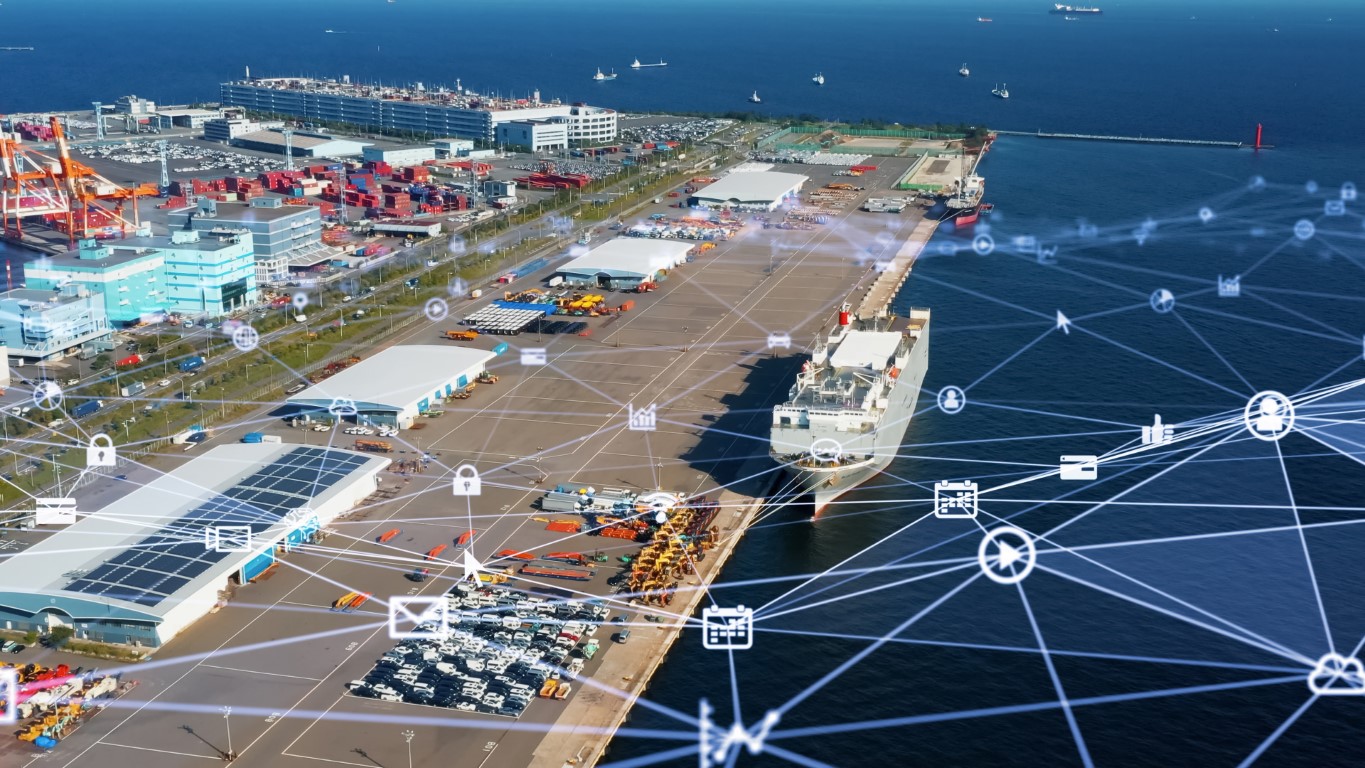
IoT in logistics: Why Using Hybrid Supercapcitor Battery
What is IoT in Logistics? IoT in logistics refers to the use of Internet of Things (IoT) technology

Intelligent Well Cover: Digitization, Quick Warning, and Forecast Solution
Guangzhou NB-IOT Intelligent Manhole Cover System
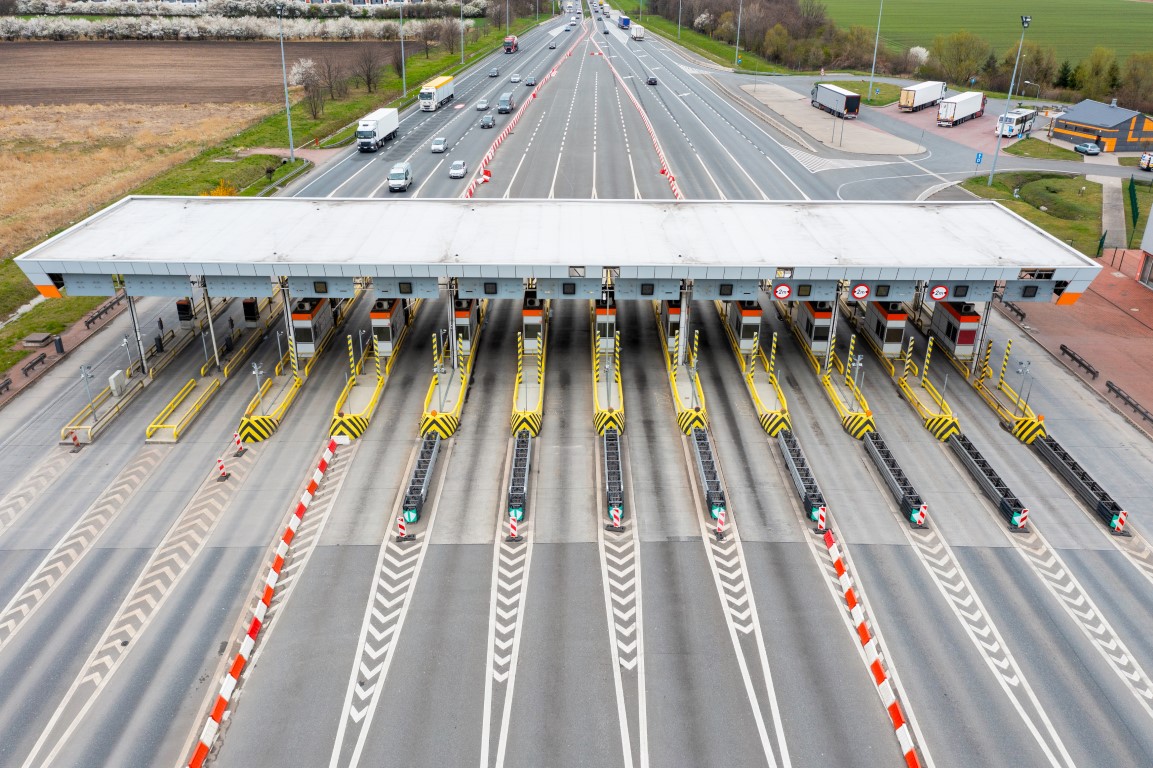
On Board Unit OBU & Toll Tags: Perfect Dual Power Supply Solution
On Board Unit OBU has become an essential component for Electronic Toll Collection(ETC), fleet manag