

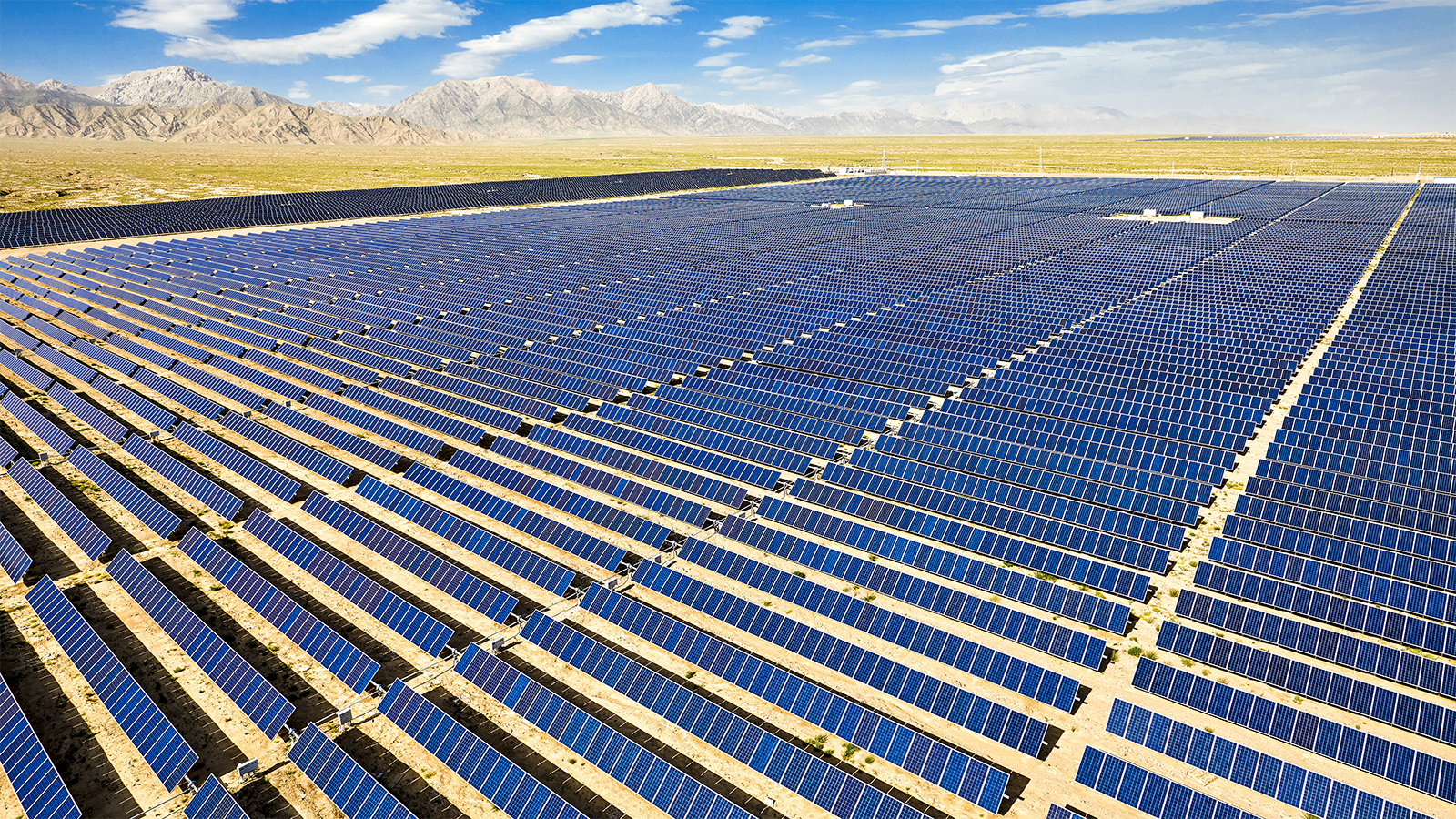
Photovoltaic
Photovoltaic (PV) systems are transforming energy generation. While solar panels generate electricity, they need a reliable way to store and manage that energy.
Overall reasons to choose primary lithium battery and HPC battery on photovoltaic systems:
- PV farms face extreme temperature swings (deserts, snowy areas, rooftops).
- Many regions (EU, US, China) require long-term data logging and reliable monitoring of PV performance for subsidies, carbon credits, and compliance.
- 24/7 and safe power solution for no more than 10 years on Virtual Power Plant, even during a grid outage.
Primary lithium batteries and HPC (Hybrid Pulse Capacitor) batteries are playing a growing role in powering photovoltaics. Their unique capabilities enhance energy storage and supply in PV setups.

Is photovoltaic the same as solar?
Often, the terms “photovoltaic” and “solar” are used interchangeably but they are not exactly the same.
Solar energy is a broad term that includes all technology harnessing energy from the sun, including solar thermal and photovoltaic.
And what is photovoltaic? Photovoltaic specifically refers to converting sunlight directly into electricity using solar panels through photovoltaic solar cell.
These panels are the core of a photovoltaic system, which includes not just the panels but also batteries and other electronic components to store and manage energy.
So, while all PV is solar, not all solar is photovoltaic.
Understanding this definition helps clarify the critical role of batteries like primary lithium and HPC in PV systems, ensuring continuous power supply even when the sun isn’t shining.
Primary Lithium Batteries in Photovoltaic Systems
Primary lithium batteries are widely used in PV systems for their high energy density, long storage life, and low maintenance. These batteries do not recharge but offer reliable backup power.
In PV applications, primary lithium batteries serve well in off-grid and remote photovoltaic solar power setups, where maintenance accessibility is limited.
Primary lithium and HPC batteries are not used for large-scale energy storage like home backup systems, which rely on rechargeable batteries.
Instead, they power the small, critical components that monitor, manage, and secure the photovoltaics itself.
They power control units, monitoring devices, and remote sensors that keep solar photovoltaic systems efficient and safe.
These batteries provide a steady and durable power source to keep the photovoltaic system components running optimally under varied environmental conditions.
HPC Batteries Supporting Photovoltaic Systems
HPC batteries combine lithium-ion chemistry with capacitor technology for superior performance in fast charge and discharge conditions.
This makes them ideal for smoothing out power fluctuations in PV systems caused by changing sunlight or load demands.
HPC batteries’ resilience in harsh conditions and ability to deliver high pulse currents help maintain stable energy supply and protect sensitive electronics in solar PV installations.
They are increasingly used in solar power backup devices, smart energy meters, and grid-connected photovoltaics to enhance power quality and reliability.

How to Manage Power in NB-IoT Gas Modules Effectively
Effective NB-IoT power management in gas modules is crucial for extending battery life and ensurin

Battery Solution for Bridge Monitoring System
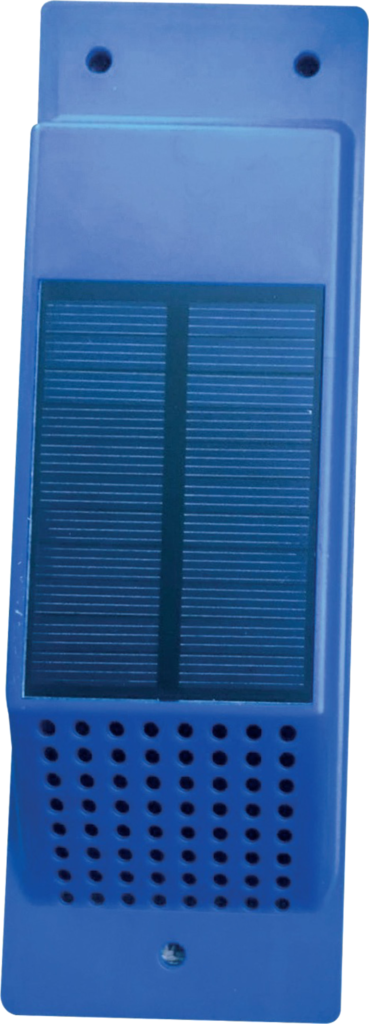
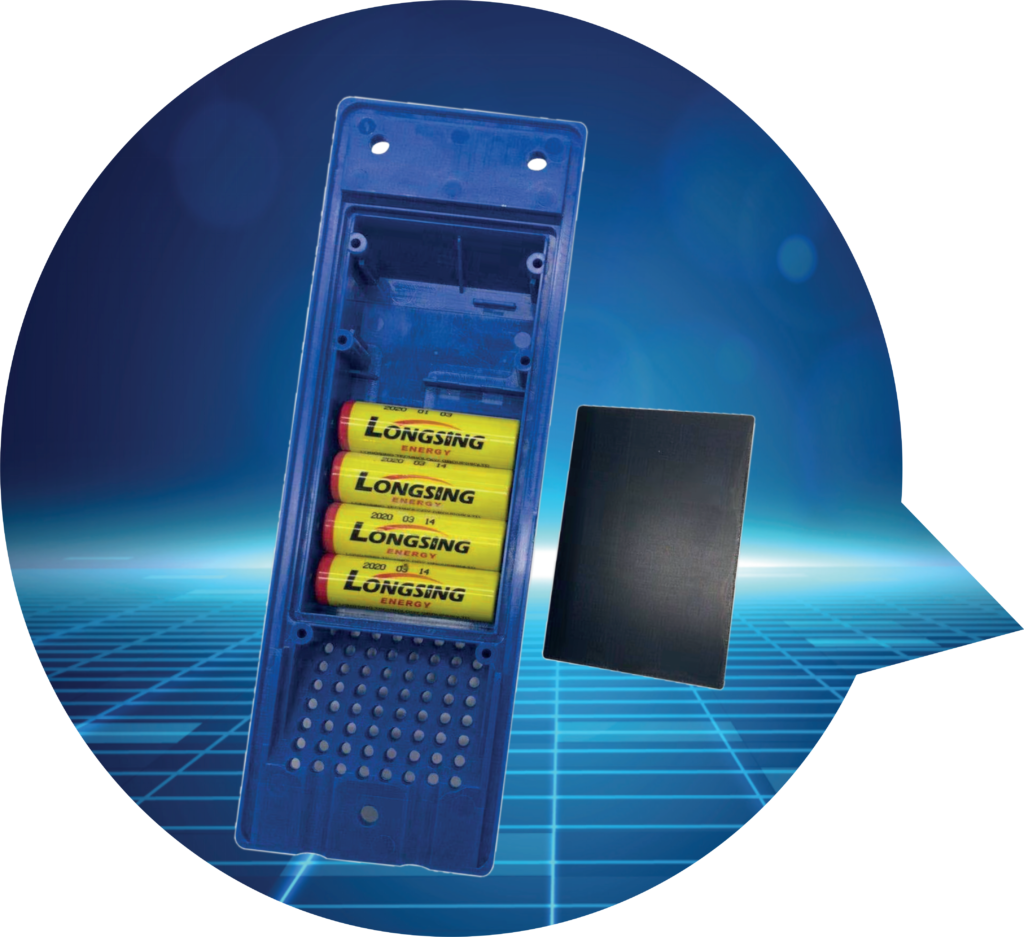
4V HPC1550-1S4P Solar power solution for Bridge Monitoring System
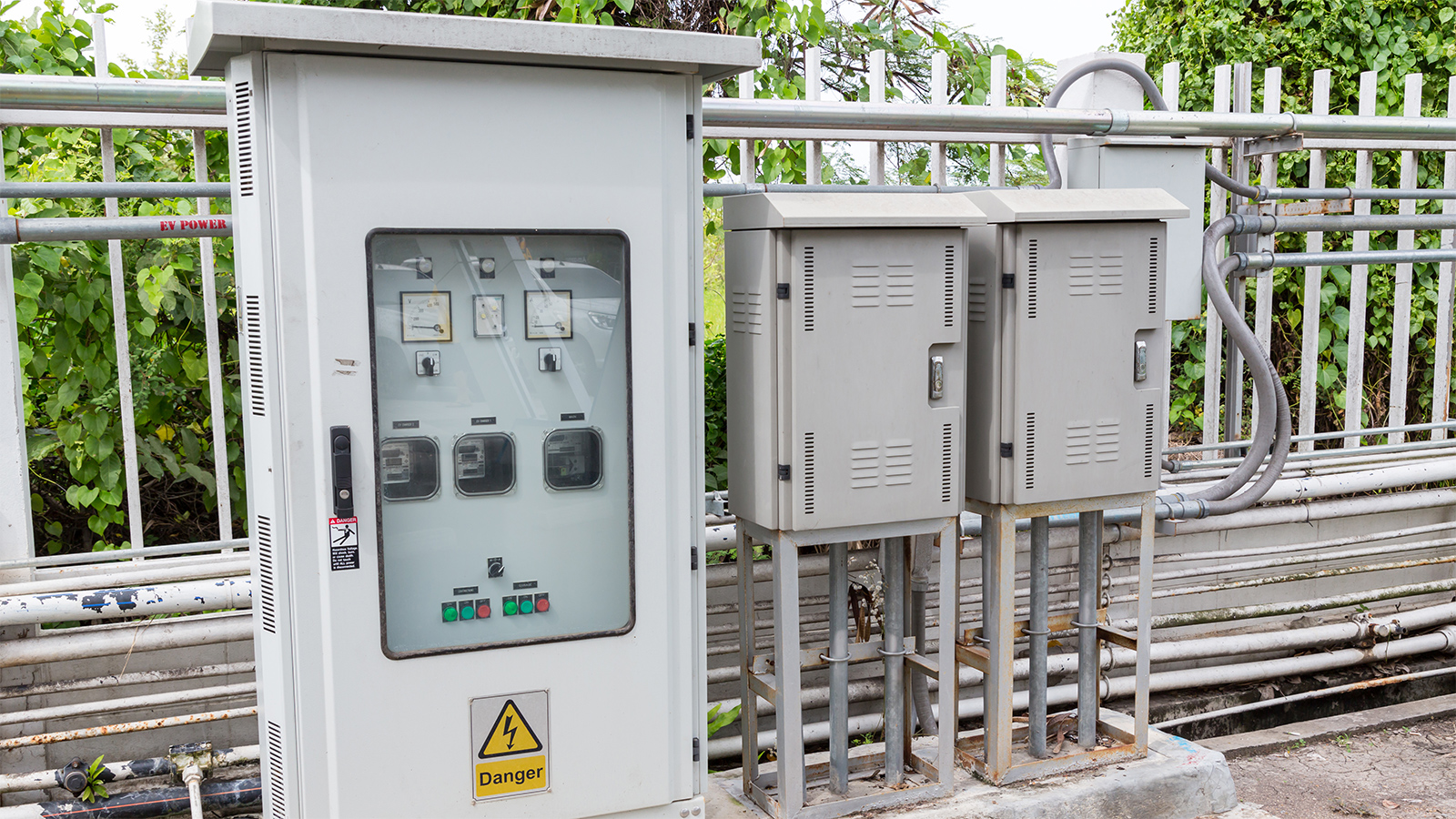
Smart Lock of Cabinet Management
• In order to facilitate the management of outdoor base stations and cabinets that need maintainin