


Solid State Batteries vs Lithium Metal Batteries: Which One Elevates Your Product Performance?
The battery industry faces a critical challenge. Traditional lithium-ion technology hits performance limits. Your industrial applications demand more power, longer life, and better safety. The question becomes urgent: which advanced battery technology delivers the results you need?
Both solid state batteries and lithium metal batteries offer significant advantages over conventional options.
Solid state batteries use solid electrolytes[1] instead of liquid ones, providing better safety and energy density. Lithium metal batteries employ pure lithium anodes to achieve higher capacity. Each technology suits different applications based on power requirements, operating conditions, and lifespan needs.

Understanding these two battery types helps you make informed decisions for your products. This article breaks down their key differences, performance characteristics, and real-world applications to guide your selection process.
Table of Contents
- What Are the Core Differences Between Solid State Batteries and Lithium Metal Batteries?
- How Does Energy Density Compare in These Battery Technologies?
- Which Battery Type Offers Better Safety and Reliability?
- What Applications Benefit Most from Each Battery Type?
What Are the Core Differences Between Solid State Batteries and Lithium Metal Batteries?
The main difference lies in the electrolyte composition and anode material.
Solid state batteries replace liquid electrolytes with solid materials like ceramics or polymers, while lithium metal batteries can use either liquid or solid electrolytes but always feature a pure lithium metal anode.

This structural difference impacts performance, safety, manufacturing complexity, and cost in distinct ways.
Structural Components and Chemistry
The electrolyte design separates these two technologies fundamentally.
Solid state batteries eliminate flammable liquid electrolytes completely. They use materials like lithium phosphorus oxynitride (LiPON)[2], sulfide-based compounds[3], or polymer electrolytes[4]. These solid materials conduct lithium ions between electrodes without the fire risks associated with liquid electrolytes.
Lithium metal batteries focus on anode innovation. They use metallic lithium as the negative electrode, which provides exceptional theoretical capacity of 3,860 mAh/g.
Traditional lithium-ion batteries use graphite anodes with only 372 mAh/g capacity. This tenfold increase in anode capacity drives the lithium metal battery advantages in energy storage applications.
The manufacturing processes differ significantly.
Solid state battery production requires precise control of solid electrolyte interfaces. Creating good contact between solid components presents technical challenges.
Lithium metal batteries face different issues. They must prevent dendrite formation[5], which occurs when lithium deposits unevenly during charging and can pierce separators.
Operating Mechanisms
Ion transport behavior varies between these systems.
In solid-state battery vs lithium metal battery comparisons, the ionic conductivity becomes critical. Solid electrolytes typically conduct ions more slowly than liquid electrolytes at room temperature. This affects charging speed and power output. However, they maintain stable performance across wider temperature ranges.
Lithium metal batteries with liquid electrolytes achieve faster ion movement. This enables higher discharge rates and quick charging capabilities.
The pure lithium anode stores more energy per unit weight. When combined with high-voltage cathodes, these batteries reach impressive energy densities. Yet they require careful management to prevent safety issues from reactive lithium metal.
| Feature | Solid State Batteries | Lithium Metal Batteries |
|---|---|---|
| Electrolyte Type | Solid (ceramic, polymer, sulfide) | Liquid or solid |
| Anode Material | Varies (graphite, silicon, lithium) | Pure lithium metal |
| Flammability Risk | Very low | Moderate to high |
| Manufacturing Complexity | High (interface challenges) | Moderate (dendrite prevention) |
At Long Sing Technology, we’ve worked with clients developing IoT sensors for remote locations. One American company needed batteries for outdoor meters in extreme climates. We analyzed their requirements: ten-year lifespan, -40°C to 85°C operation, and minimal maintenance. After testing both technologies, we recommended our lithium thionyl chloride (LiSOCl2) batteries.
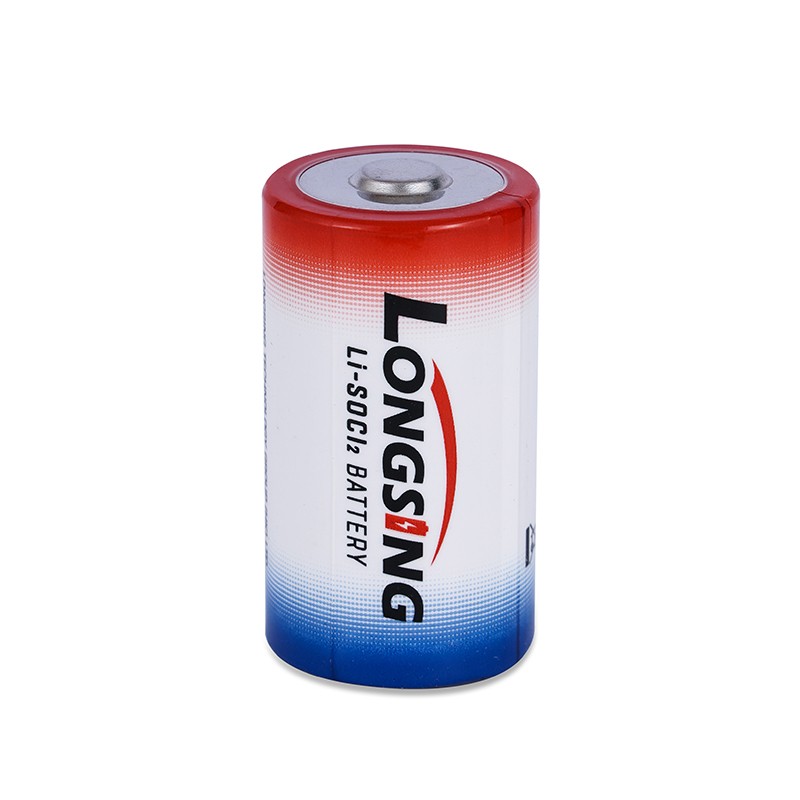
These lithium primary batteries provided the stability and longevity they required. We sent samples within one week. Their testing confirmed excellent low-temperature performance.
Here is the sample cost according to their comparison:
| Battery Type | Unit Cost (Sample) | Cost per kWh (Estimated) |
|---|---|---|
| Solid-State (2026) | $25–$45 per 26Ah cell | $90 – $175 / kWh |
| Lithium Primary (AA) | $1.50 – $4.00 per cell | $300 – $600 / kWh |
| Lithium Primary (D) | $15.00 – $30.00 per cell | $250 – $500 / kWh |
After two sample iterations to optimize the battery pack configuration, they placed their first production order. The project succeeded because we matched the battery chemistry to their specific operating conditions rather than following general trends.
How Does Energy Density Compare in These Battery Technologies?
Solid state battery energy density typically ranges from 300-500 Wh/kg in current commercial products, with laboratory prototypes reaching up to 900 Wh/kg. Lithium metal batteries achieve 350-450 Wh/kg commercially.
The actual energy density depends heavily on the specific chemistry, cathode materials, and cell design. Both technologies surpass conventional lithium-ion batteries, which deliver 150-250 Wh/kg.

Theoretical vs. Practical Energy Storage
The theoretical calculations show impressive numbers for both technologies. Pure lithium metal anodes promise exceptional capacity.
When paired with high-voltage cathodes like nickel-rich NMC or lithium-sulfur compounds, lithium metal batteries can theoretically reach 500-600 Wh/kg. This makes them attractive for applications where weight matters critically, such as aerospace or portable medical devices.
Solid lithium battery technology faces different constraints. The solid electrolyte adds weight and volume without contributing to energy storage. This reduces the overall energy density compared to theoretical maximums.
However, solid electrolytes enable the use of high-voltage cathode materials that would degrade liquid electrolytes. This partially compensates for the weight penalty.
Real-world performance tells a more complex story. Manufacturing limitations prevent batteries from reaching their theoretical potential.
Interface resistance between solid components reduces efficiency. Packaging materials, safety features, and battery management systems add weight.
Current commercial solid state batteries deliver about 60-70% of their theoretical energy density. Lithium metal batteries achieve similar practical efficiency rates.
Volumetric and Gravimetric Considerations
Energy density has two important measurements. Gravimetric energy density (Wh/kg) matters for weight-sensitive applications. Volumetric energy density (Wh/L) becomes critical when space is limited. Solid-state battery vs lithium metal battery comparisons must consider both metrics.
Solid state batteries excel in volumetric density. The solid electrolyte allows tighter cell packing. Eliminating liquid components and separators saves space. This makes solid state batteries suitable for compact devices where every cubic millimeter counts. Consumer electronics manufacturers particularly value this advantage.
Lithium metal batteries optimize gravimetric density. The lightweight lithium anode reduces overall battery weight. This benefit matters greatly for drones, electric aircraft, and portable power tools. However, the liquid electrolyte requires sturdy containment vessels. These protective structures add weight and volume, somewhat negating the anode advantage.
| Metric | Solid State Batteries | Lithium Metal Batteries | Conventional Li-ion |
|---|---|---|---|
| Gravimetric Density (Wh/kg) | 300-500 (commercial) | 350-450 | 150-250 |
| Volumetric Density (Wh/L) | 600-800 | 500-700 | 400-600 |
| Cycle Life (cycles) | 1000-5000 | 300-1000 | 500-1500 |
| Operating Temperature (°C) | -20 to 60 | -40 to 85 | -20 to 60 |
We recently worked with a European medical device manufacturer designing portable diagnostic equipment. They needed maximum runtime in minimum space for handheld analyzers. Energy density was their top priority.
We evaluated several options including solid state battery for long life applications. After detailed analysis, we proposed a customized lithium metal battery pack using our LiMnO2 chemistry. The devices needed burst power for measurement cycles, so we integrated our hybrid pulse capacitors (HPC) alongside the primary cells. This combination delivered both high energy density and pulse capability.
We produced initial samples in two weeks. After their field testing revealed minor voltage regulation issues, we modified the battery management circuit.
The second sample batch performed perfectly. Their procurement team appreciated our flexible approach to solving complex power requirements.
As an industrial lithium primary battery manufacturer, we understand that energy density alone doesn’t determine success. The complete system integration matters more.
Which Battery Type Offers Better Safety and Reliability?
Solid state batteries provide superior safety due to non-flammable solid electrolytes. They eliminate thermal runaway risks[6] associated with liquid electrolytes.
Lithium metal batteries require careful design to prevent dendrite formation and manage reactive lithium.

However, properly engineered lithium metal batteries deliver excellent reliability for specific applications. Safety performance depends more on manufacturing quality and battery management systems than on the base technology alone.
Thermal Stability and Fire Risks
Fire safety concerns dominate battery discussions. Traditional lithium-based batteries use flammable organic liquid electrolytes. When these batteries overheat, the electrolyte can ignite. This creates thermal runaway, where heat generation becomes self-sustaining. The results include fires, explosions, and toxic gas release.
Solid state batteries eliminate this primary fire risk. Ceramic and polymer solid electrolytes don’t burn. Even under abuse conditions like puncture, crushing, or overcharging, solid state batteries rarely catch fire.
The solid electrolyte acts as a built-in fire barrier. This makes them ideal for applications where safety is paramount, such as medical implants, aviation systems, or consumer electronics.
Lithium metal batteries present more complex safety profiles. The metallic lithium anode is highly reactive. If exposed to air or water, it can ignite spontaneously.
Battery designers must ensure perfect sealing and protection. Liquid electrolytes in lithium metal batteries still pose flammability risks. Advanced formulations include fire-retardant additives[7], but they don’t eliminate the hazard completely.
Temperature tolerance affects reliability significantly. Solid-state battery vs lithium batteries show different thermal behaviors. Most solid state batteries operate safely between -20°C and 60°C. Some polymer-based types struggle at low temperatures. Lithium metal batteries, particularly LiSOCl2 primary batteries, function reliably from -40°C to 85°C. This wider temperature range makes them suitable for harsh industrial environments.
Long-Term Degradation and Failure Modes
Battery longevity determines total cost of ownership. Solid state battery limitations include interface degradation over time. The contact between solid electrolyte and electrodes can develop resistance.
This reduces capacity gradually. However, the absence of liquid electrolyte prevents many common failure modes. There’s no electrolyte decomposition, no gas generation, and minimal side reactions. This contributes to longer calendar life.
Lithium metal batteries face dendrite challenges. During charging, lithium deposits can form needle-like structures. These dendrites can pierce through separators and cause internal short circuits.
Modern designs use various strategies to prevent dendrites: stable electrolyte formulations, protective coatings on lithium anodes, and carefully controlled charging protocols. When properly managed, lithium metal batteries achieve acceptable cycle life.
The lithium metal battery advantages include predictable aging patterns. Capacity fades gradually rather than failing suddenly. This allows for accurate remaining life predictions.
For primary (non-rechargeable) lithium metal batteries like our LiSOCl2 cells, the shelf life exceeds ten years. The batteries maintain over 90% capacity after extended storage at room temperature.
| Safety Factor | Solid State Batteries | Lithium Metal Batteries |
|---|---|---|
| Fire Risk | Very Low | Low to Moderate |
| Thermal Runaway Potential | Minimal | Requires Management |
| Short Circuit Protection | Excellent (solid electrolyte barrier) | Good (with proper design) |
| Operating Temperature Range | -20°C to 60°C | -40°C to 85°C |
| Shelf Life | 5-10+ years | 10-20+ years (primary) |
Our experience at Long Sing Technology demonstrates how safety requirements drive battery selection. A North American utility company needed batteries for smart gas meters deployed across diverse climates. Safety was non-negotiable.
The meters would be installed in residential areas, sometimes indoors near heat sources. We discussed solid state batteries vs lithium metal batteries for this application.
After reviewing their specifications, we recommended our LiSOCl2 primary cells. These cells have proven safety records spanning decades. They don’t require complex battery management systems.
We provided detailed safety certification documentation. The client sent samples to third-party testing laboratories for validation. All safety tests passed, including puncture, crush, and high-temperature exposure.
We delivered the first production batch within the agreed eight-week lead time. For industrial applications requiring unattended operation over many years, proven reliability outweighs theoretical advantages of newer technologies.
What Applications Benefit Most from Each Battery Type?
Solid state batteries excel in applications requiring compact form factors, enhanced safety, and moderate power demands, such as consumer electronics, wearables, and medical implants.
Lithium metal batteries suit applications needing wide temperature ranges, extended shelf life, and high energy density, including industrial meters, remote sensors, and safety backup systems.
Lithium metal battery vs solid state for IoT depends on whether the device needs long maintenance-free operation (favoring lithium metal) or frequent recharging in controlled environments (favoring solid state).
Consumer and Medical Applications
Consumer electronics manufacturers increasingly evaluate solid state batteries vs lithium metal batteries. Smartphones, tablets, and laptops prioritize thin designs. Solid state technology enables sleeker profiles. The solid electrolyte allows flexible cell shapes that conform to device contours.
Safety also matters greatly in consumer products, because these are the devices used near the body or left charging overnight must minimize fire risks.
Wearable devices present unique challenges. Smart watches, fitness trackers, and health monitors need small batteries that last days between charges.
Solid state batteries deliver excellent volumetric energy density for these compact spaces. They withstand the mechanical stress from body movement and occasional impacts. The lack of liquid electrolyte prevents leakage from damaged cells.
Medical implants require the highest reliability standards. Pacemakers, neurostimulators, and drug delivery pumps must function flawlessly for years inside the human body. Solid state batteries offer biocompatibility advantages[8]. The sealed solid construction prevents any chemical leakage.
However, primary lithium metal batteries dominate this field currently. Our LiSOCl2 cells power thousands of medical devices because they combine high energy density with exceptional stability. A single battery can last the entire lifespan of the implant, eliminating surgical replacements.
Industrial and IoT Deployments
Industrial applications demand different characteristics. Utility meters, environmental sensors, and asset trackers operate unattended for years. They face extreme temperatures, humidity, and vibration. Battery replacement costs exceed initial battery costs due to labor and logistics. This changes the selection criteria completely.
IoT sensor networks illustrate these demands clearly. A typical deployment might include thousands of wireless sensors monitoring pipelines, buildings, or agricultural fields. Each sensor transmits data periodically and sleeps between readings.
The batteries must provide small continuous drain plus occasional communication bursts. They must work in hot deserts and cold arctic environments. And they should last at least five years, preferably ten or more.
Lithium metal batteries, particularly lithium primary batteries, excel in these scenarios. They maintain stable voltage output throughout their discharge life. Their low self-discharge rate means minimal capacity loss during long idle periods. The wide operating temperature range eliminates the need for thermal management.
For pulsed power applications, we combine LiSOCl2 batteries with our hybrid pulse capacitors. This provides both long-term energy storage and instantaneous power delivery.
Safety and security systems represent another critical application area. Emergency lighting, alarm panels, and access control systems need backup power. These batteries sit idle most of the time but must activate instantly during power failures. They must remain reliable even after years without use.
Solid-state battery vs lithium battery comparisons favor lithium metal for these applications. The exceptional shelf life and instant readiness of LiSOCl2 batteries make them the standard choice.
| Application Category | Preferred Battery Type | Key Requirements |
|---|---|---|
| Consumer Electronics | Solid State (emerging) | Compact size, safety, fast charging |
| Medical Implants | Lithium Metal (Primary) | Long life, reliability, biocompatibility |
| Industrial Meters | Lithium Metal | Wide temperature, long life, low maintenance |
| IoT Sensors | Lithium Metal | Low self-discharge, pulse capability, ruggedness |
| Electric Vehicles | Solid State (future) | High energy density, safety, fast charging |
| Emergency Backup | Lithium Metal | Shelf life, instant activation, reliability |
We recently completed a project with an Asian electronics manufacturer developing smart building sensors. They planned to deploy 50,000 units across commercial buildings in Southeast Asia.
The tropical climate meant high temperatures and humidity. The sensors monitored occupancy, air quality, and temperature to optimize HVAC systems. Each sensor needed to operate for at least seven years without battery replacement.
The engineering team initially considered solid state batteries due to media attention around the technology. However, their requirements analysis revealed different needs. The sensors experienced high ambient temperatures up to 60°C in ceiling spaces.
They needed both continuous low-current operation and occasional high-current bursts for wireless transmission. Battery replacement in ceiling-mounted units would cost more than the original devices.
We proposed a hybrid solution using our LiSOCl2 primary batteries paired with HPC hybrid pulse capacitors. The primary battery provides long-term energy storage while the capacitor handles transmission pulses. This combination maximizes battery life by preventing voltage depression during high-drain events.
We sent initial samples for evaluation. Their testing revealed that our battery pack delivered excellent performance in accelerated life tests. However, they needed modifications to the mechanical housing for easier installation. We revised the design and produced a second sample batch within three weeks. The modified design met all requirements.
After negotiating pricing based on their volume commitment, they placed orders for their pilot deployment of 5,000 units. We delivered on schedule, and their field installations proceeded smoothly. The project matured from concept to deployment over eight months. Our ability to customize the battery pack design and maintain consistent supply proved as important as the battery technology itself.
This experience reinforces a key point about solid state batteries vs lithium metal batteries. The choice depends less on which technology is “better” and more on matching capabilities to requirements.
For this application, proven lithium metal chemistry delivered the reliability and longevity needed. As an industrial lithium primary battery manufacturer, we focus on solving real problems rather than chasing trends.
Conclusion
The comparison between solid state batteries vs lithium metal batteries reveals that each technology serves distinct purposes.
Solid state batteries offer superior safety through non-flammable electrolytes and excellent volumetric energy density for compact devices. They suit consumer electronics, wearables, and applications where safety is paramount.
Lithium metal batteries provide wider operating temperatures, longer shelf life, and proven reliability for industrial applications. They dominate utility meters, remote sensors, and backup power systems.
Your product requirements should guide the selection. If you need maintenance-free operation in harsh environments over many years, lithium metal batteries deliver proven results. If you prioritize compact size and enhanced safety in consumer products, solid state technology offers compelling advantages.
The solid-state battery vs lithium battery decision ultimately depends on your specific application constraints, operating conditions, and lifecycle cost considerations. Understanding these differences helps you choose the battery technology that truly elevates your product performance.
Quick FAQ You Need to Know Before Reading Solide State Batteries
(Click to Unfold)
Q:Is a solid-state battery better than lithium?
A:Not necessarily. Solid-state batteries are still largely in the development or pilot stage, while lithium batteries—especially lithium metal primary batteries—are commercially proven, widely used, and offer superior reliability, long shelf life, and predictable performance for industrial and long-life applications.
Q:Is lithium a solid metal?
A:Yes. Lithium is a solid alkali metal at room temperature. In lithium metal batteries, lithium is used as a solid metal anode, which provides high energy density and extremely low self-discharge.
Q:Do solid-state batteries use lithium?
A:Most solid-state batteries use lithium in some form, either as a lithium metal anode or lithium-based compounds. The key difference is that solid-state batteries replace liquid electrolytes with solid electrolytes, not lithium itself.
Q:What are the downsides of solid-state batteries?
A:The main downsides include high manufacturing cost, limited large-scale production, interface stability issues, uncertain long-term reliability, and a lack of real-world performance data over long service lifetimes.
Q:What is the life expectancy of a solid-state battery?
A:The life expectancy of solid-state batteries is still uncertain. While laboratory results are promising, there is limited field data proving stable performance over 10–20 years, especially compared to lithium metal primary batteries already used in long-life industrial applications.
Q:What is the main challenge of solid-state batteries?
A:The main challenge is achieving reliable and scalable manufacturing while maintaining stable interfaces between the solid electrolyte and electrodes, which directly affects safety, lifespan, and commercial viability.
Q:What are the dangers of lithium?
A:Lithium can be reactive if improperly handled, especially in rechargeable systems. However, lithium metal primary batteries are designed with stable chemistries and protective structures, making them safe and reliable when manufactured and used according to international standards.
Note:
[1]Explore why solid electrolytes reduce fire risk and enable new form factors in compact devices.↪
[5]Learn how dendrites threaten safety and methods to prevent it in Li metal designs.↪
[7]Discover the necessity of fire-retardant additives in enhancing lithium battery safety.↪
Keep Reading further on Lithium Primary Batteries
- Lithium Primary Batteries: Types, Performance, and Selection Guide
- Choosing Li-SoCl₂ High Capacity Battery for IoT, Metering, and Monitoring Systems
- Key Advantages: Design Considerations for Li-SOCl₂ Military Battery
- Bobbin Type vs Spiral Type Battery Long-Life Applications
- 2026 Procurement Outlook: Navigating Lead Times and Raw Material Trends in Lithium Coin Cell Battery
- CR123A, CR17450, and CR14505 The Ultimate CR Li-MnO2 Cylindrical Battery Comparison
- Survival in -40°C: Li-SOCl2 vs. Li-Po battery for Outdoor Monitoring
- Lithium D Batteries for Industrial Applications: Specifications, Lifespan, and OEM Solutions
- Primary Lithium vs. NiMH Batteries Engineering Trade-Offs for Long-Term Power Applications
- Battery Selection Guide: Primary vs Secondary Lithium Batteries for Industrial Projects?
- Top OEM Lithium Primary Battery Manufacturers for Industrial Projects in 2026
{
“@context”: “https://schema.org”,
“@graph”: [
{
“@type”: “Article”,
“@id”: “https://www.longsingtechnology.com/solid-state-batteries-vs-lithium-metal-batteries/#article”,
“headline”: “Solid State Batteries vs Lithium Metal Batteries: Technology Evalutating”,
“description”: “Confused about solid state batteries vs lithium metal batteries? This guide breaks down benefits, helping choose the right technology for optimal product performance.”,
“url”: “https://www.longsingtechnology.com/solid-state-batteries-vs-lithium-metal-batteries/”,
“mainEntityOfPage”: “https://www.longsingtechnology.com/solid-state-batteries-vs-lithium-metal-batteries/”,
“datePublished”: “2026-01-19T10:00:00+08:00”,
“dateModified”: “2026-03-13T10:00:00+08:00”,
“author”: {
“@type”: “Person”,
“@id”: “https://www.longsingtechnology.com/#person”,
“name”: “Wilson Lu”,
“url”: “https://www.longsingtechnology.com/author/wilson-lu/”,
“image”: {
“@type”: “ImageObject”,
“url”: “https://www.longsingtechnology.com/wp-content/uploads/Wilson-Lu-from-long-sing-technology.webp”
}
},
“image”: {
“@type”: “ImageObject”,
“url”: “https://www.longsingtechnology.com/wp-content/uploads/ls-logo-color.png”
},
“publisher”: {
“@type”: “Organization”,
“@id”: “https://www.longsingtechnology.com/#organization”
}
},
{
“@type”: “Organization”,
“@id”: “https://www.longsingtechnology.com/#organization”,
“name”: “Long Sing Technology”,
“url”: “https://www.longsingtechnology.com/”,
“logo”: {
“@type”: “ImageObject”,
“url”: “https://www.longsingtechnology.com/wp-content/uploads/ls-logo-color.png”,
“width”: 600,
“height”: 60
}
},
{
“@type”: “Person”,
“@id”: “https://www.longsingtechnology.com/#person”,
“name”: “Wilson Lu”,
“url”: “https://www.longsingtechnology.com/author/wilson-lu/”,
“image”: {
“@type”: “ImageObject”,
“url”: “https://www.longsingtechnology.com/wp-content/uploads/Wilson-Lu-from-long-sing-technology.webp”
}
},
{
“@type”: “BreadcrumbList”,
“@id”: “https://www.longsingtechnology.com/solid-state-batteries-vs-lithium-metal-batteries/#breadcrumb”,
“itemListElement”: [
{
“@type”: “ListItem”,
“position”: 1,
“name”: “Home”,
“item”: “https://www.longsingtechnology.com/”
},
{
“@type”: “ListItem”,
“position”: 2,
“name”: “Lithium Primary Batteries”,
“item”: “https://www.longsingtechnology.com/lithium-primary-batteries/”
},
{
“@type”: “ListItem”,
“position”: 3,
“name”: “Solid State Batteries vs Lithium Metal Batteries”,
“item”: “https://www.longsingtechnology.com/solid-state-batteries-vs-lithium-metal-batteries/”
}
]
}
]
}

Thermal Runaway Prevention: Why Factory-Level Testing is Non-Negotiable for Lithium Battery Safety?
Lithium battery safety begins long before a cell is integrated into a device; it is a critical bench

The Silent Shelf-Life Secret: Why Battery Passivation is Actually a Good Thing
Are you worried about your batteries dying on the shelf before you even use them? Many industrial us

The Ultimate Guide to Lithium Metal Battery for Professionals
Engineers face critical decisions when selecting power sources for industrial applications. The wron